
On this page
If your tracker, a tool that asks assistants buyers’ questions and records answers, misses the questions buyers ask, your team can spend weeks fixing pages those buyers never read. AthenaHQ offers unlimited topics and questions on its $295 Starter plan, with 3,600 credits, the units it bills for AI responses.
The order follows who writes the questions and whether both engines require a custom plan. The GEO Agent is ours, so read entry one as our pick.
1. GEO Agent by Qvery: The Question List Written for You, Then Asked Daily
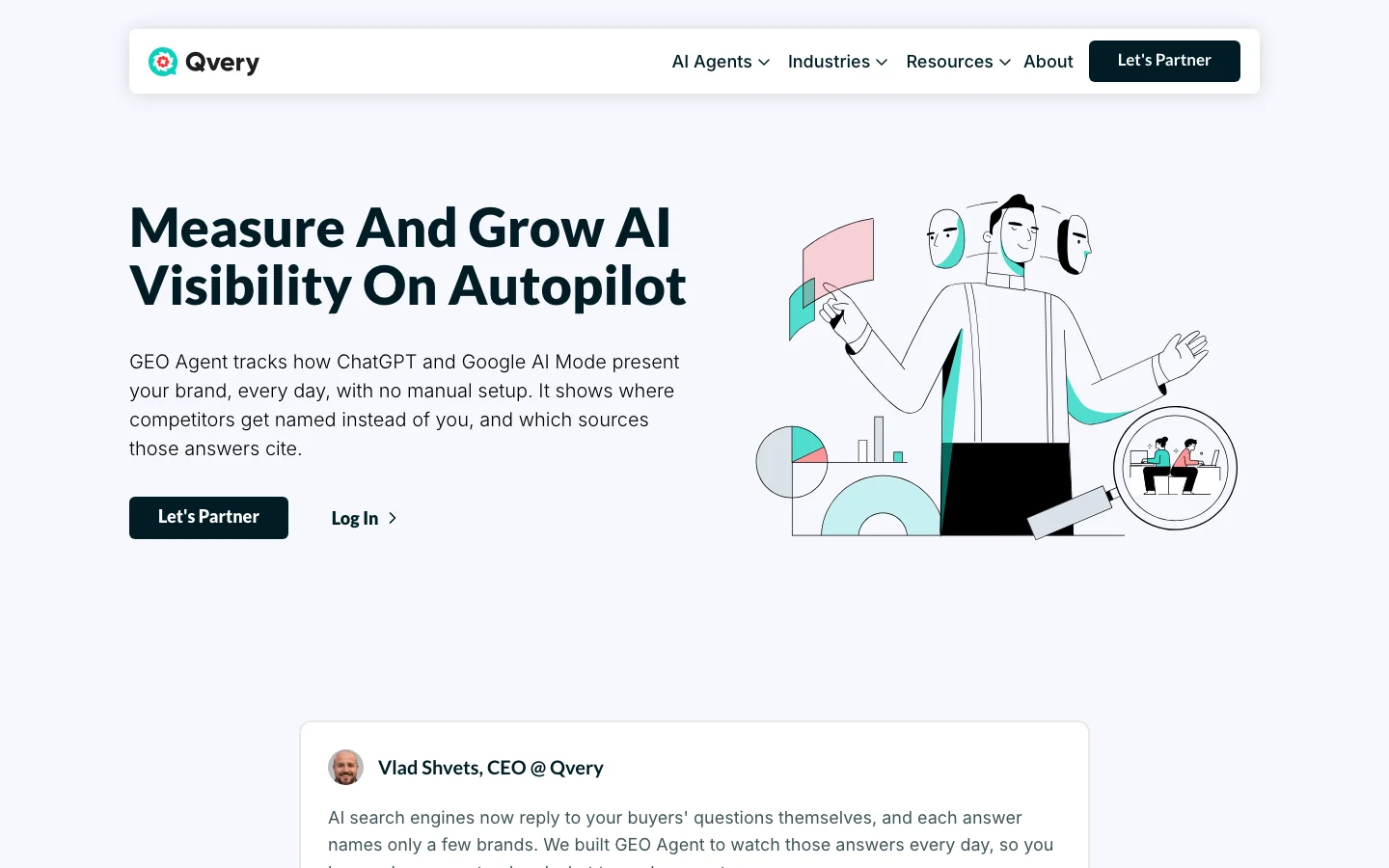
Our own product, the GEO Agent, drafts topics and questions using your company’s brand, industry, and competitors. It puts those questions to ChatGPT and Google AI Mode daily for your chosen countries, keeping the full responses along with all their citations.
A list written from your brand and competitors is a start, not proof that it matches what your buyers ask.
You can read how often you appear, your share of voice, and the sentiment toward you against competitors, broken down by topic and country. Qvery Assistant answers questions about that data, edits topics or queries, starts runs, and exports reports.
It measures only ChatGPT and Google AI Mode. Deciding what to publish or pitch from the findings stays with your team. Price: not published.
- Questions written for you from your brand, industry and competitors
- Each question asked daily on ChatGPT and Google AI Mode, in the countries you choose
- Every answer and citation recorded
- Visibility, share of voice and sentiment beside competitors, by topic and country
- The questions where a competitor is named instead, and the sources cited
- Qvery Assistant: ask about your data, edit questions, start a run, export a report
Pros
- Questions written for you
- Both engines every day
Cons
- It tracks only two engines.
- Price: not published.
- People decide what to publish or pitch.
2. Peec AI: Suggested Questions You Approve, Both Engines on Starter
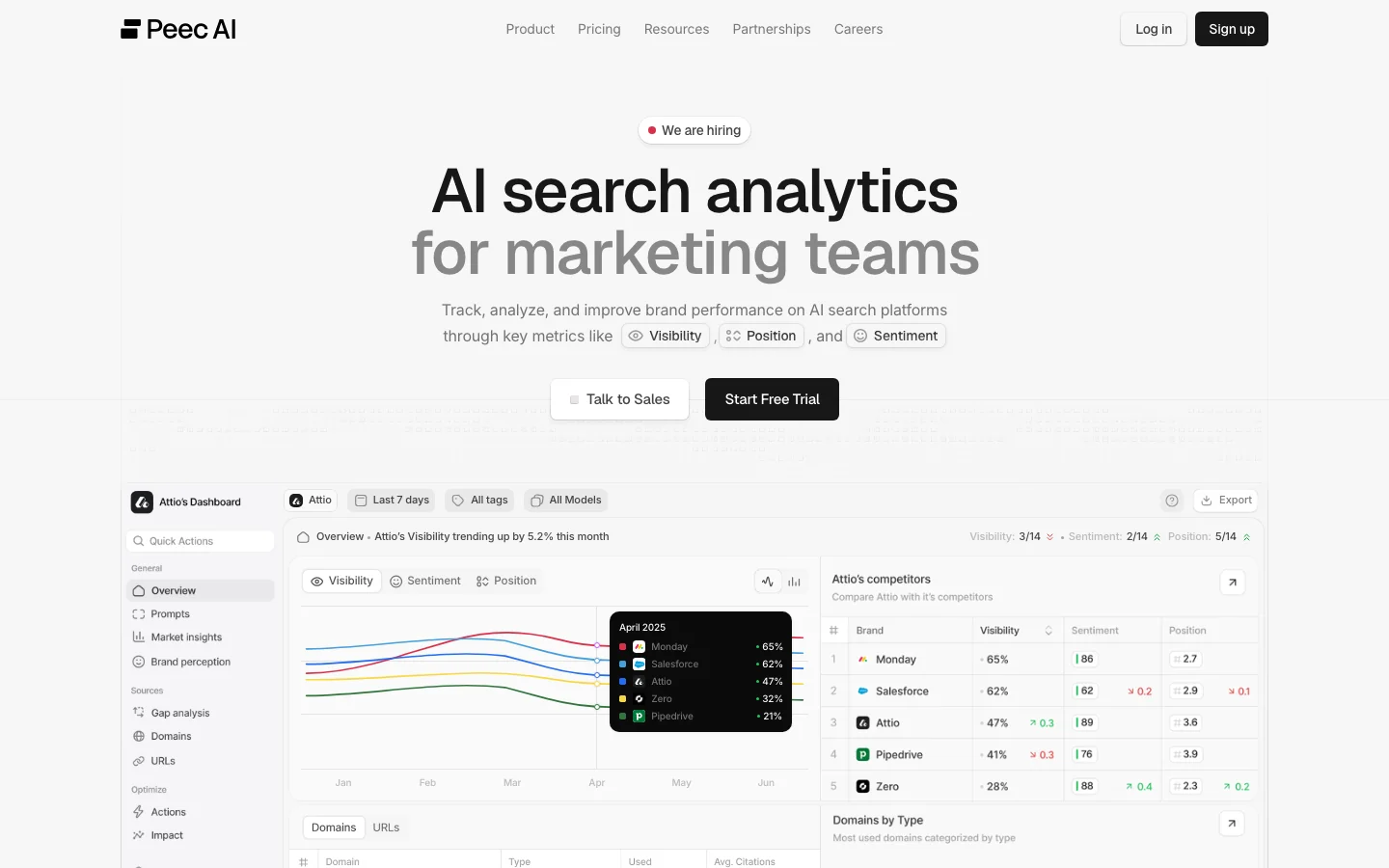
Peec's pricing page lists question suggestions “drawn from your brand context and coverage gaps”, questions made from your search terms, personas (typed profiles), and bulk import, and a demand score of 1 to 5 showing how often a topic’s questions are asked.
You see which questions carry interest, then keep or drop each one.
Starter costs $95 a month for 50 questions asked daily on three models you pick, and ChatGPT and Google AI Mode are both among the choices.
Every plan has unlimited users. Peec also lists a fact check: tracked answers checked for claims about your brand against facts you set, which covers how the answers describe you as well as whether they name you.
- Question suggestions from your brand context and coverage gaps, plus questions from search terms
- Personas, bulk import and a 1 to 5 demand score per question
- Daily tracking on three models you choose, ChatGPT and Google AI Mode among them
- Answers checked against facts you set about your brand
Independent Reddit discussion of Peec’s question suggestions is thin.
Pros
- Suggestions you approve
- Google AI Mode on Starter
- Unlimited users
Cons
- Three models at a time below the custom plan
- 50 questions on Starter
- One project on Starter
3. Ahrefs Brand Radar: Questions Drawn From Ahrefs' Search Data
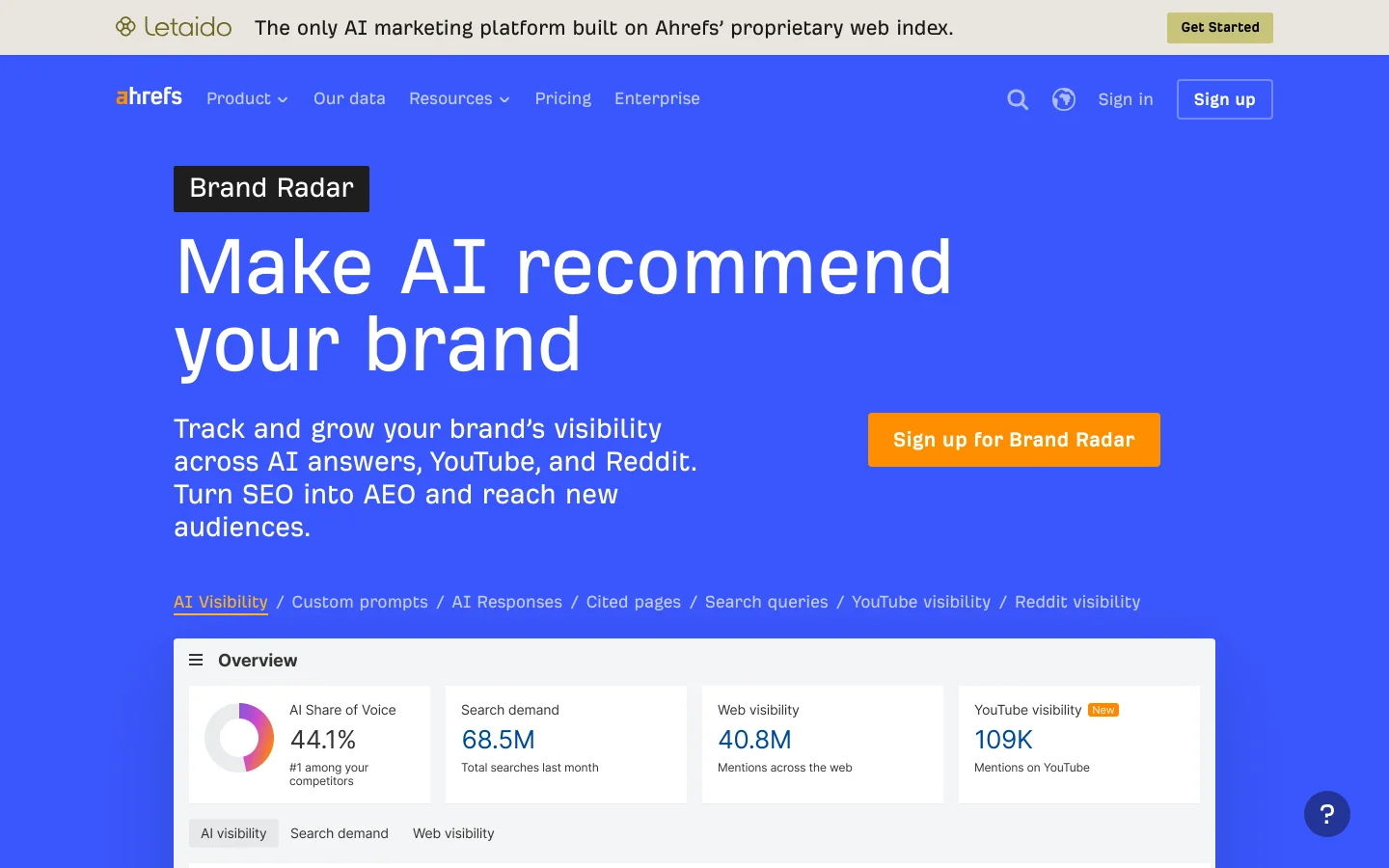
If your marketing team already works in Ahrefs, Brand Radar is the shortest step, and its questions come from the data Ahrefs already collects. For your own tracking, it uses AI to generate questions “from competitor comparisons, pricing data, and other signals Ahrefs collects”.
For research, its AI Visibility Index holds more than 540 million questions, each modeled, Ahrefs says, from real user searches in its own search data.
These are searches turned into questions, so the index shows what people in your market search for, phrased the way they might ask it.
Custom questions start at $50 a month for 2,500 checks, and a check is the unit Ahrefs bills for one question on one platform in one location, so the $50 package asked daily on ChatGPT and Google AI Mode covers about 41 questions.
Every paid Ahrefs plan already includes 5, 10 or 20 questions a day.
- AI-generated questions from competitor comparisons and pricing data
- An index of more than 540 million questions modeled from searches, for research, by Ahrefs’ count
- ChatGPT, Google AI Mode, Google AI Overviews (Google’s AI summary above results), Perplexity, Copilot and Gemini, with Claude at 8 checks an update
- Daily, weekly or monthly refresh per question
Independent Reddit discussion of Brand Radar’s generated questions is thin.
Pros
- Questions generated from data you can see
- A market index beside your own list
- Next to the search data your team already reads
Cons
- Checks take arithmetic across engines
- The index is priced apart
- Claude costs 8 checks an update
4. LLMrefs: Search Terms In, Questions Out, Every Engine Weekly
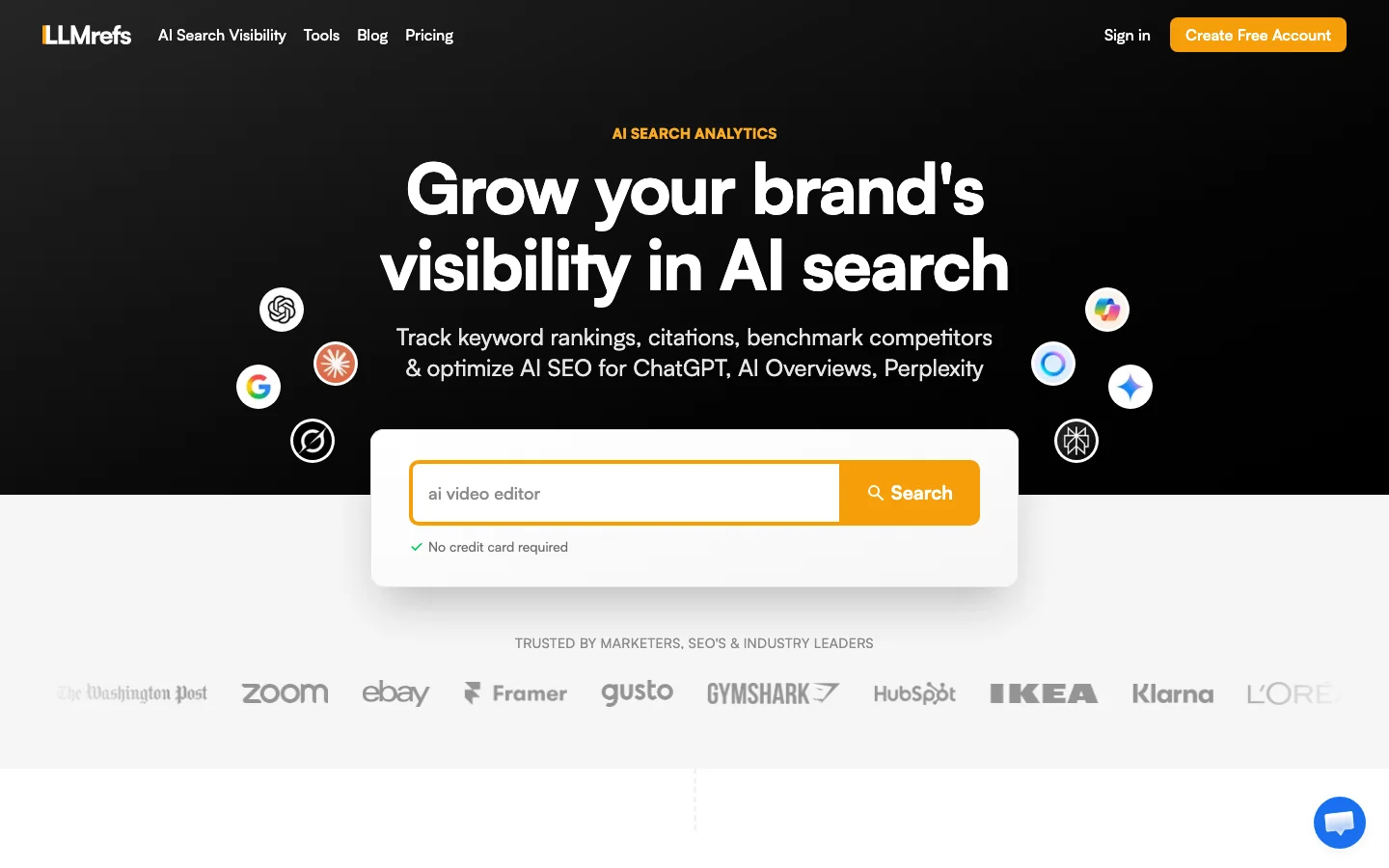
LLMrefs starts from the search terms your marketing team already tracks. You import that list, and it generates the fan-out questions (follow-on searches) itself, which it says are based on real conversations people have with AI chatbots. The question list then grows from something your company already keeps.
One plan, All in One, costs $79 a month (marked limited time) for 500 questions on every engine it tracks, ChatGPT and Google AI Mode included, with unlimited team members and a 7-day free trial. The reports refresh weekly, not daily, so a month holds four readings of each question.
- Search terms imported, fan-out questions generated for you
- 500 questions on every tracked engine, ChatGPT and Google AI Mode among them
- 50+ countries and 20+ languages
- Monthly question volume estimates
Independent discussion of LLMrefs is thin.
Pros
- Questions generated from a list you already keep
- Every engine on one plan
- 500 questions
Cons
- Weekly, not daily
- The price is marked limited time
5. OtterlyAI: Question Research From a Name, a URL or a Few Terms
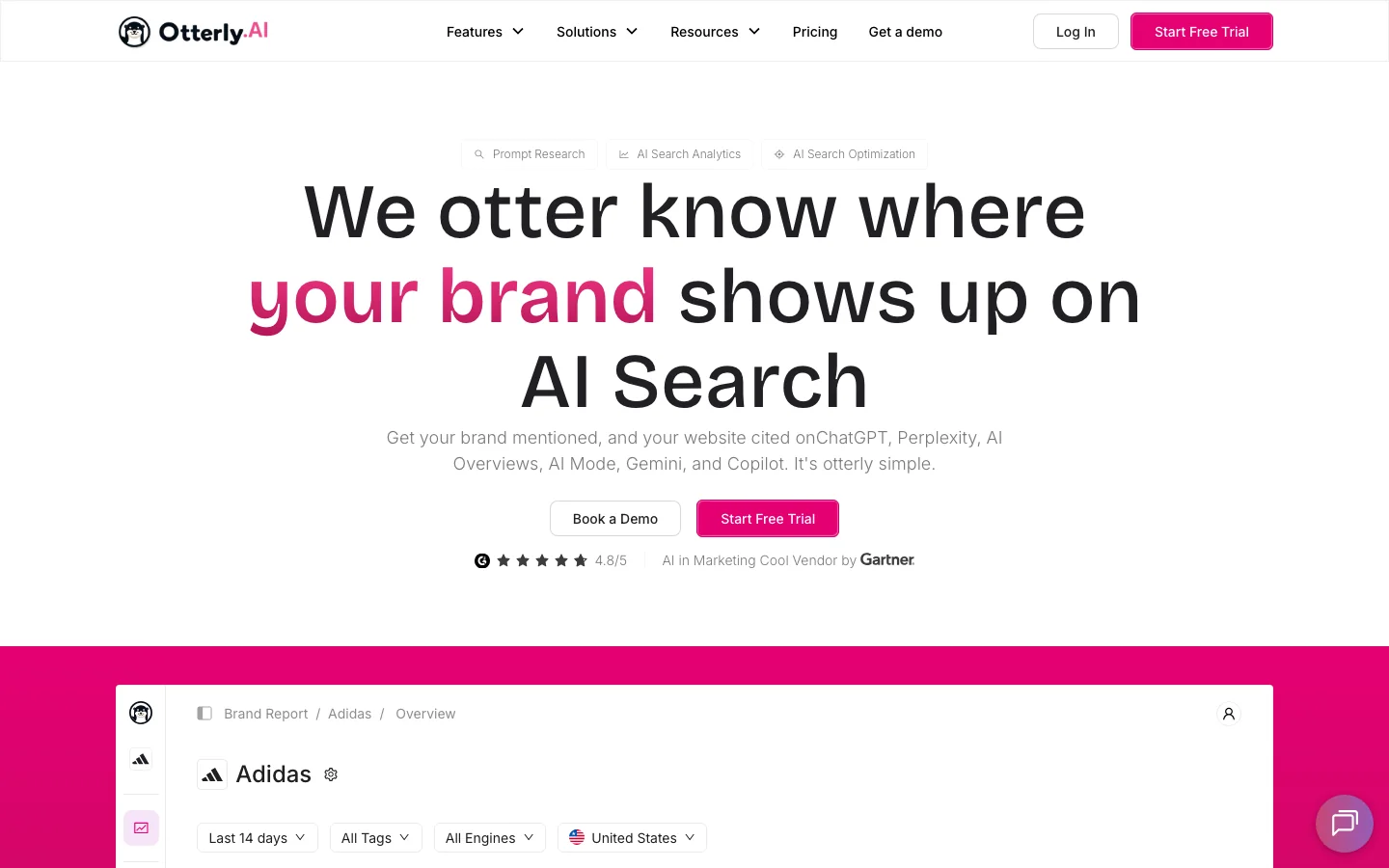
Otterly's question research starts from whatever you hand it: a few search terms, a brand name or a URL, from which it finds the questions your buyers might use.
It is the smallest monthly bill for ChatGPT and Google AI Mode on this list: Lite costs $29 a month for 15 questions on four engines, ChatGPT among them, and Google AI Mode is a $9 add-on, so both engines cost $38 a month.
Fifteen questions is a short list. Standard, at $189, holds 100, and Google AI Mode then costs $59 more. Otterly audits pages and sends recommendations; the writing stays with your team.
- Question research from search terms, a brand name or a URL
- Every domain and URL cited in AI answers, checked daily
- GEO audits of your pages: 1,000 a month on Lite
- Unlimited team members and 50+ countries
Independent Reddit discussion of Otterly’s question research is thin.
Pros
- The smallest bill for both engines
- Research from a single URL
- Unlimited team members
Cons
- Google AI Mode costs extra
- 15 questions on Lite
- Add-ons grow the bill past Lite
6. Scrunch: Topic Trends and Personas, Google AI Mode on the Custom Plan
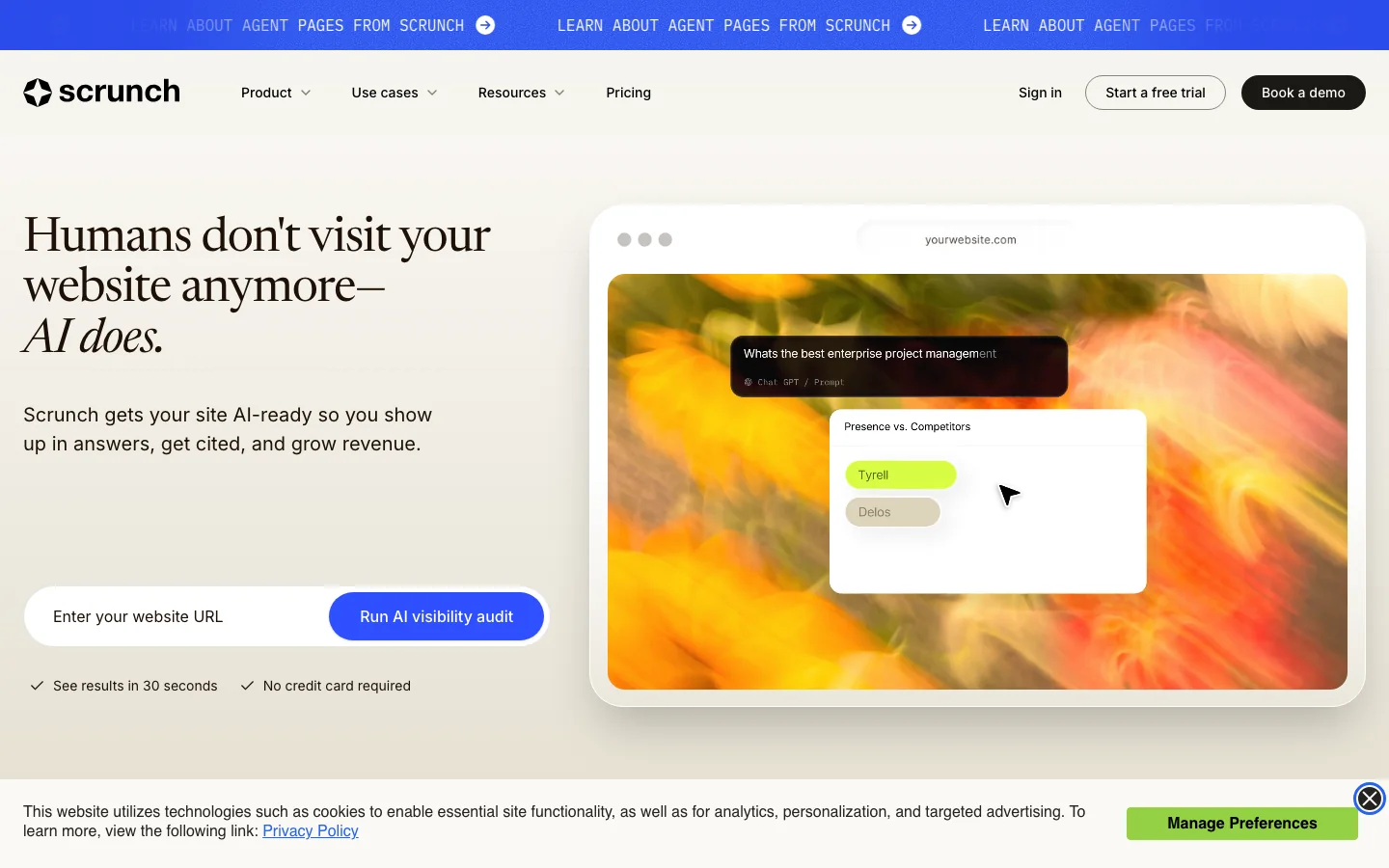
Scrunch's help with the list is demand data. Its AI Search Trends tracks what is trending, with approximate question volumes, and surfaces topics: three topics on Core. Core also runs one persona, so a question can be asked as one kind of buyer.
Core costs $250 a month for 125 questions and 5,000 responses a month on four engines: ChatGPT, Perplexity, Google AI Overviews and Copilot.
Google AI Mode sits on the custom plan, with nine engines and custom personas. Core includes five site audits, five user licenses and a 7-day free trial.
- AI Search Trends: what is trending, with approximate question volumes
- One persona, one country and five competitors on Core
- Five site audits and one page optimization a month
- AI agent and bot traffic on your site beside the answers
Independent Reddit discussion of Scrunch is thin.
Pros
- Demand signals beside your list
- Personas
- Bot traffic on your site
Cons
- Google AI Mode only on the custom plan
- One persona and one country on Core
- Five licenses on Core
7. Profound: Conversation Volumes, an Editable List on the Custom Plan
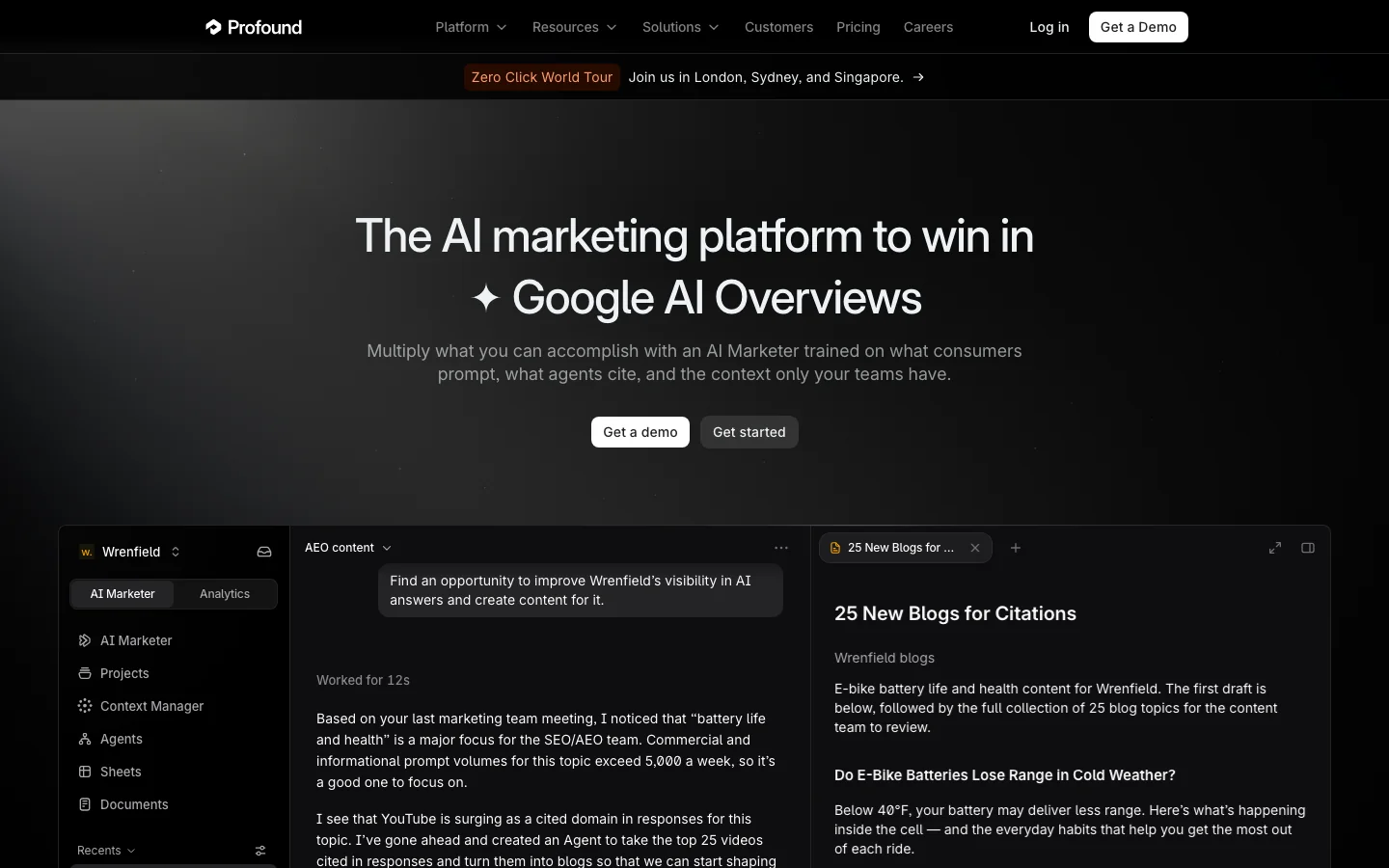
Profound answers the list question with data: Prompt Volumes, which it says analyzes “billions of real user conversations” to show what people ask.
Its trial is free for seven days, 50 questions a day on ChatGPT, Gemini and Google AI Overviews, but on the trial the questions are “a recommended prompt set based on their industry” and cannot be changed.
Editing the list, Google AI Mode and up to nine engines come with the custom plan, priced by quote, with unlimited seats and JSON exports.
- Prompt Volumes from what it describes as real user conversations
- Questions you can edit, disable or add on the custom plan
- Up to nine engines, Google AI Mode among them, on the custom plan
- AI Marketer and agents that draft content and run recurring work
Pros
- Volume data from conversations
- Agents that draft as well as measure
- Unlimited seats
Cons
- No editable list until the custom plan
- Google AI Mode only on the custom plan
- No published price
Independent discussion of Profound's question tools is thin.
The Seven on Who Writes the Questions
Every score these tools report is a count over a question list, so whoever writes the list shapes every number that follows.
 Piotr BabelPartner @ Qvery
A share of voice is a count over whatever questions the tool asks, so a list nobody checked against real buyers measures the wrong market very precisely. A short list taken from sales calls tells you more than 500 generated ones, and it needs a month unchanged before a trend means anything. When you do change the list, note the date, because the score moves that day whether buyers changed or not.
| Tool | Who writes the questions | How often it asks | Lowest bill with both engines | Start with it if |
|---|---|---|---|---|
| GEO Agent by Qvery | The agent | Daily | Not published | Nobody has a list of what buyers ask |
| Peec AI | You, from suggestions | Daily | $95 a month | You want suggestions to approve one by one |
| Ahrefs Brand Radar | You, from generated questions | You choose | $50 a month | You already work in Ahrefs |
| LLMrefs | Generated from search terms | Weekly | $79 a month | Marketing keeps search terms |
| OtterlyAI | You, from research | Daily | $38 a month | You want questions researched from a name or a URL |
| Scrunch | You, with topic trends | Not stated | Quoted | You want the market’s questions before your own |
| Profound | Industry set, then you | Daily | Quoted | You want the market’s questions before your own |
| AthenaHQ | Not stated here | Not stated here | $295 a month | You are staying because its credit budget suits you |
On the engines, five of the seven ask Google AI Mode without a custom plan, and the lowest published bill for both engines runs from $38 a month (OtterlyAI with its add-on) to $95 (Peec AI); Scrunch and Profound quote theirs.
 Vlad ShvetsPartner @ Qvery
Pick the alternative by who will own the question list. If nobody on your team has a list of what buyers ask, the GEO Agent writes one; if marketing keeps search terms, LLMrefs turns them into 500 questions for $79 a month, asked weekly. If the budget decides, OtterlyAI asks both engines from $38 a month, but only 15 questions, so count your buying situations first.
Qvery's Work on the Question List
At Qvery, we help marketing teams spend less time policing question lists, with custom AI agents that pull the questions buyers ask from your sales calls and draft the additions.
Qvery’s agents prepare question changes for review, while our team sets up tracking, reads answers with you, and works on the pages and sources they use; at first, nothing goes live until a person approves it.
A daily record shows how answers to your questions change.
From Sales Calls to the Question List
Our agents learn your buyers' questions from the call notes and inquiry emails your sales leads already keep, once those leads choose which ones the agents may read and show us how a question reaches the list today. Two weeks later, the agents are drafting additions from your own calls.
Every week your sales leads see each drafted question beside the call it came from, so the list they keep follows what buyers said.
Frequently asked questions
Is AthenaHQ's free plan enough to start?
It covers five engines, ChatGPT among them, with $25 of credit, 300 credits, and one credit is one AI response, so it holds 300 answers. Google AI Mode starts on Starter at $295 a month.
Which of these ask Google AI Mode on the plan you would start on?
The GEO Agent, Peec AI Starter, Ahrefs custom questions, and LLMrefs include Google AI Mode. OtterlyAI adds it to Lite for $9 a month; Scrunch and Profound put it on custom plans.
Do we need a specialist to run one of these?
You need an owner for the question list. Tools that write or suggest the questions take away the drafting, not the owning: the owner picks which questions stand for your buyers and reads what changed.
How many buying situations should the list cover?
Enough to cover each buyer situation your sales team names, asked on both engines. The entry plans here hold from 15 questions (OtterlyAI Lite) to 500 (LLMrefs), so count the situations first, then pick a plan that holds them.
Why won't AthenaHQ's numbers match a new tool's?
They ask different lists, on different engines, at different intervals, and the answers move between requests even for one question. Compare tools on the same questions over the same weeks before you compare their scores.
Can we get the answers out into our own reports?
LLMrefs exports spreadsheets and offers a connection for other software on its one plan. AthenaHQ's Starter exports spreadsheets and sells that connection as an add-on; Peec, Scrunch and Profound list it on their custom plans.
Which alternative has the lowest published cost for both engines?
On the published plans, OtterlyAI Lite plus its Google AI Mode add-on costs $38 a month. That covers 15 questions, so check that the allowance fits your buying situations before comparing it with a larger plan.
Can we use the search terms our team already tracks?
LLMrefs generates questions from imported search terms, while OtterlyAI uses terms, a brand name, or a URL for question research. Ahrefs generates questions from its own data and offers a separate search-based index; those inputs still need checking against sales conversations.
Can we edit the questions during a Profound trial?
The Profound trial described here uses a recommended industry set that you cannot customize. Editing, disabling, or adding questions requires its custom plan, so the trial cannot test your own complete list.
How should we compare daily and weekly tracking?
LLMrefs refreshes weekly, while the GEO Agent and Peec run daily. Pick the interval before comparing scores: a weekly reading leaves longer gaps between observations, and neither schedule makes two different question lists comparable.
Can AthenaHQ's credits run out before the question list does?
No. AthenaHQ separates the size of your question list from the credits that collect answers, so a long list can fit the plan and still run through the credits once it is asked daily on two engines.
Does tracking more countries use more of the allowance?
On Ahrefs, yes: every check counts one question in one location, so adding countries on the same schedule uses more checks and leaves room for fewer questions.
Can a whole team use the same plan?
It depends on the plan. Peec pairs unlimited users with a limit on projects, while Scrunch's Core caps user licenses as well as questions, so seats matter as much as questions when sales and marketing both need access.
Can an answer name us and still get our facts wrong?
No. Being named and being described correctly are different things. Peec checks tracked answers against brand facts you supply, so the check is only as good as those facts.
Do we need a market index or our own tracked questions?
They do different jobs. A market index shows what appears across a market; your own tracked questions show what buyers are told about you. Ahrefs sells the two separately, so budget for the one your team will read.
