A Two-Page Brief Before The Adjuster's First Call
Claim File Review Agent reads every page of a claim file and builds the facts and a dated timeline. It flags what doesn't add up, with the page behind every line.

Brief One Of Your Claim Files.
- The claim facts and a dated timeline
- Documents that disagree, invoices that repeat, papers that are missing
- The page behind every line
 Piotr Babel, Partner @ Qvery
A claim file is a pile of different papers that all carry the same few facts: dates, names, amounts. Our agents line those up and show where two documents disagree, like a loss date that moved. At Qvery, we help insurers give adjusters their hours back, with custom AI agents that read whole claim files. Every line in the brief names its page. Whether a claim is covered, and what it's worth, stays the adjuster's call.
Claim File Review Agent.
Claim facts organized, every line with its page.
The Whole File, Every Page
When a claim file is ready in your claims system, the agent reads every page: forms, estimates, invoices, reports, photos and letters. A long file gets the same reading as a short one.
A page it cannot read is listed, never guessed. The adjuster sees exactly what was read and what wasn't.

The Facts And A Dated Timeline
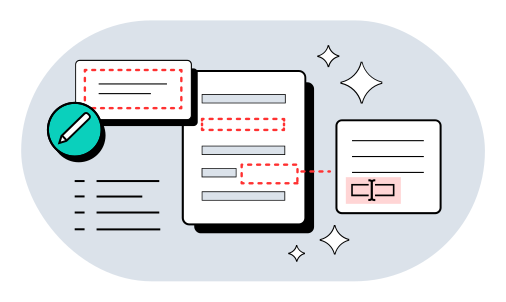
The agent pulls the claim facts: who, what, where, when and how much. It builds a timeline of every dated event in the file.
Every date and amount points to a page in the file. If a figure isn't there, the brief says not found.
What Doesn't Add Up
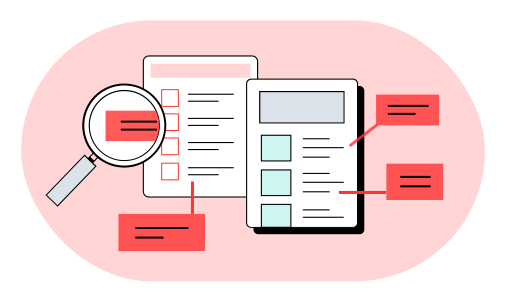
The agent compares facts across documents and flags the ones that disagree, like a loss date that moved. It also flags invoices that repeat and totals that don't match their lines.
Documents the file mentions but doesn't contain are listed too. A difference is evidence for the adjuster, never a judgment about anyone.

The Adjuster Starts From The Brief
The adjuster gets a two-page brief and a drafted request for what's missing. Any line can be checked against its page in a click.
Your team sends every request. Coverage, reserves and payment are the adjuster's decisions.
What Reading Claim Files Costs You.
Put in your own team's numbers. The result updates as you type.
Your Numbers
- Saved a year
- $156,450
- Today
- $557,500
- With the agent
- $401,050
- Pays back in
- 1.5 months
- Three-year return
- 2,247%
- Deploys for about
- $20,000
Saved a year $156,450
Read The FAQs.
What does Qvery do for insurers?
At Qvery, we help insurers keep adjusters on decisions, with custom AI agents that read claim files and check issued policies. We build them around your claims system and the way your adjusters work. A claim file is a pile of different papers that all carry the same few facts: dates, names, amounts. The agents match those facts across the papers and hand the adjuster a two-page brief, with every line tied to its source. Adjusters spend their hours on the claim itself instead of on reading every page before the first call.
How does an adjuster check the brief?
Every line in the brief names its page, and anything unreadable is listed. The adjuster checks any fact in a click, instead of reading the whole file to find it. A date or an amount the agent pulled points straight to the paper it came from. Where two documents disagree, the brief shows the difference, and the adjuster opens both papers. The adjuster sees exactly what was read and what was not. The page is the proof, so the adjuster does not have to take the agent's word.
Can it invent a date or an amount?
Every date and amount in the brief must point to a page in the file. If the agent cannot find a figure, the brief says not found. It never fills one in. The agent pulls who, what, where, when and how much from the file itself. It also builds a timeline of every dated event, so a missing date shows as a gap. Nothing in the brief comes from outside the file you gave the agent. A page it cannot read is listed, never guessed.
Does it decide or advise on claims?
No. Coverage, reserves, payment and denial stay with your adjusters. The agent organizes the file and flags what doesn't add up. It builds a dated timeline and a two-page brief, and it drafts a request for what is missing. Your team sends every request, so nothing goes out without a person. The adjuster reads the brief, checks the pages that matter and makes the call. Reserves are the adjuster's decision, and the agent makes no estimate of them.
Does it flag fraud?
No. A difference between documents is evidence for the adjuster, never an accusation. The agent shows where documents disagree or repeat. Examples are a loss date that moved, an invoice that appears twice or a total that does not match its lines. What that means is for your adjuster and your special investigations team to judge. Every flag shows its page, so the team can look at the papers themselves. The agent reports differences in plain terms and takes no view on why they exist.
Can it handle very large files?
Yes. The agent reads every page of the file, whatever its length. A long file gets the same reading as a short one, and the brief stays two pages. It covers forms, estimates, invoices, reports, photos and letters, all in one pass. It also lists documents the file mentions but does not hold,. The free try reads one claim file, whole, in parts or as a zip. Every photo is cited by its place in the file.
How much does it cost to build?
An agent for this job costs about $20,000 to build. Running it costs about $900 a month. The calculator above shows what that means against your adjusters' time. Put in your own team's numbers and the result updates as you type. That time goes on reading every page of a claim file before the first call: forms, estimates, invoices and reports. Your adjusters start from the brief instead. It is the same two pages whether the file is thin or thick.
How is claimants' information kept safe?
The agent reads only the claim files you connect it to. You decide where it runs and how long anything is kept. It sends nothing on its own. Requests for missing documents are drafted, and your people send them. The agent starts when a file is ready in your claims system. Each line in the brief names its page, so a person can check it against the original. The free try works the same way on one claim file.
How soon can it brief our claims?
We deliver a working agent in about two weeks, connected to your claims system. It runs on closed files beside your adjusters first, so no live claim depends on it. Your adjusters compare its briefs with their own reading of the same files. After that, a brief is on the adjuster's desk before the first call, with a drafted request for what is missing. Closed files let your adjusters see whether the briefs match what they already know.
What does the free try send back?
A two-page brief of your claim file: the facts, the timeline, what doesn't add up and what's missing. Every line names its page, so you can check the facts against the file yourself. It shows the adjuster's starting point for one real file. The result comes from vlad@qvery.ai within 15 minutes, and your file is deleted as soon as it is sent. The sample we show is a distributor's water-damage claim: notice, inspection, estimates and invoices.