Catch Waiver Problems Before The Check Goes Out
Lien Waiver Review Agent compares each waiver with the payment application it covers, field by field. Your project accountant gets the differences and a note to the subcontractor, ready to send.
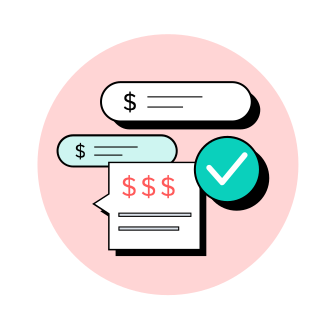
Check One Lien Waiver.
- The waiver compared with its payment, field by field
- The signatures and stamps your form needs, checked
- A note to the subcontractor, ready to send
 Vlad Shvets, Partner @ Qvery
Most waiver problems are boring. A conditional waiver where you needed an unconditional one, last month's amount, a covered-through date a week short. Boring problems slip through when a stack of waivers arrives the same week. At Qvery, we help contractors spend fewer accounting hours on waivers, with custom AI agents that check each one against its payment. Releasing the payment stays your accountant's decision.
Lien Waiver Review Agent.
Every waiver checked against its payment.
The Waiver And Its Payment Application
A subcontractor sends its waiver with the payment application, on its own form or yours. Scans and phone photos work as they are.
The agent reads only the documents it is given. It compares the waiver with the one payment it covers.


Compared Field By Field
The agent compares the waiver type, the amount, the covered-through date, the names and the project with the payment application. Every difference shows both values side by side.
Give it your state's waiver form and it compares the wording too. It shows where the words differ and leaves the legal reading to you.
Signature And Notary Stamp
The agent checks that the signature and the notary stamp are on the page where your form needs them. A missing one is listed with its page.
A missing signature or stamp goes on the note to the subcontractor. Your accountant asks for a signed copy before paying.
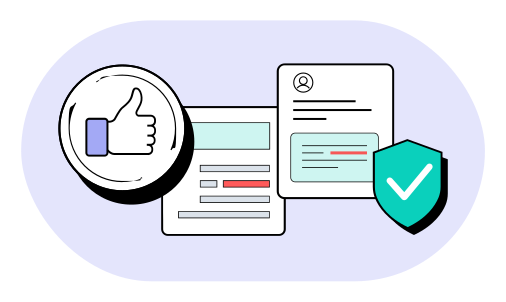

Your Accountant Decides The Payment
Your project accountant sees the differences, or a waiver that matches. When something is off, a note asking for a corrected waiver is ready.
Releasing or holding the payment stays with your accountant. Your lawyer joins where the case needs one.
What Checking Waivers Costs You.
Put in your own team's numbers. The result updates as you type.
Your Numbers
- Saved a year
- $21,533
- Today
- $53,865
- With the agent
- $32,333
- Pays back in
- 11.1 months
- Three-year return
- 223%
- Deploys for about
- $20,000
Saved a year $21,533
Read The FAQs.
What does Qvery do for contractors?
At Qvery, we help contractors spend less on paperwork, with custom AI agents that check lien waivers and product submittals. We build them around your own forms and checklists. This agent compares each waiver with the payment application it covers, one entry at a time. Your project accountant gets a clean pass or a note to the subcontractor, ready to send. Scans and phone photos of waivers work as they are. It checks that the signature and the notary stamp are on the page where your form needs them. A missing one is listed with its page. It checks presence, not whether they are genuine.
Do we still check waiver amounts by hand?
No. The agent compares the amount, the covered-through date and the type on every form. It also compares the names and the project against the payment application. Wherever the two differ, it shows both values together. Your project accountant reads the differences, not every form. A conditional waiver where you needed an unconditional one, or last month's amount, shows up the same way.
How does it match amounts and dates?
It reads both from the waiver and from the payment application it covers. It flags a waiver for a different amount, such as last month's figure. It flags a covered-through date that stops short of the period being paid, even by a week. It compares only the waiver and the pay application you sent, and nothing else. Your accountant sees each difference with both values beside it. It reads type, amount, dates, names and project from both documents, even on the subcontractor's own form.
Does it check our state's form wording?
Yes, when you give it the state form. It compares the waiver's wording with that form and shows where the language differs. Without a state form, it does not judge the wording. It never says a waiver is valid, enforceable or compliant. The legal reading stays with your team, and your lawyer joins where the case needs one. Your accountant sees both wordings where they differ.
Does it say whether to release payment?
No. It never says that a payment should be released or held. Releasing or holding the payment stays with your project accountant and, where needed, your lawyer. The agent gives your accountant the facts: a clean pass, or the differences with a note ready. Either way, your accountant decides from there. A missing signature or stamp goes on the note, and your accountant asks for a signed copy before paying.
Can it track lower-tier waivers too?
Yes, in your build. It checks each lower-tier waiver against the payments it covers. It lists the ones still missing for a pay period, so your accountant knows who to chase before the check goes out. The same checks apply: type, amount, covered-through date, names, project, signature and notary stamp. The list of who is missing sits in one place. Your accountant sees at a glance which subcontractors have not yet sent theirs.
How much does it cost to build?
Building an agent for this job costs about $20,000. Running it costs about $450 a month. The calculator on this page lets you put in your own team's numbers. It shows what that means against your accounting team's time. The result updates as you type, so you see figures for your own team and not an average. Then you can weigh the build cost against the hours spent on waivers today. Both figures cover reading the waiver, comparing the entries and drafting the note.
How is our payment data kept safe?
The agent reads only the documents you send it. You decide where it runs and how long anything is kept. It contacts no subcontractor on its own, because the note is a draft. Subcontractors keep sending waivers on their own form or yours, and they see nothing from the agent. Your accountant reads every note before it goes out. Its findings describe the paperwork, and your accountant decides what to do with them.
How soon can it check our waivers?
We deliver a working agent in about two weeks, set up with your forms. It runs on a past pay period beside your accounting team first. They compare its findings with what they caught by hand. That shows you how it reads your subcontractors' waivers before anyone relies on it. After that, your accountant starts from the differences, even when a stack of waivers arrives in the same week. Your forms are loaded in those two weeks, so the first run already checks against your own.
What does the free try send back?
You send one lien waiver and the pay application it covers. The sample page uses a contractor's progress waiver from a subcontractor with its payment application. You get the waiver checked against the payment, with both values shown wherever they differ. If something is off, you also get a note to the subcontractor, ready to edit. It comes from vlad@qvery.ai within 15 minutes. We delete your files as soon as the result is sent.