Every After-Hours Call Answered On Your Rules
After-Hours Answering Agent books routine jobs into your schedule when your team is off the phones. Real emergencies on your list go straight to your on-call technician.

See How It Would Answer Your Calls.
- A night emergency, handled on your rules
- The booking it would take for a routine job
- A caller outside your area, answered politely
 Piotr Babel, Partner @ Qvery
The hard part of an after-hours agent isn't booking the job. It's knowing when not to. A dripping tap can wait for Tuesday, but a burst pipe at midnight is on your emergency list. At Qvery, we help home service companies spend less on after-hours answering, with custom AI agents that work on your own rules. Routine jobs get booked, and the emergencies on your list go straight to your on-call technician.
After-Hours Answering Agent.
Calls answered on your own rules.
It Picks Up When Nobody Else Can
After hours, at weekends, or when every line is busy, your calls go to the agent instead of voicemail. It greets callers in your company's name.
It asks what the caller needs and takes the address and contact details. Nobody hears a ring that goes nowhere.

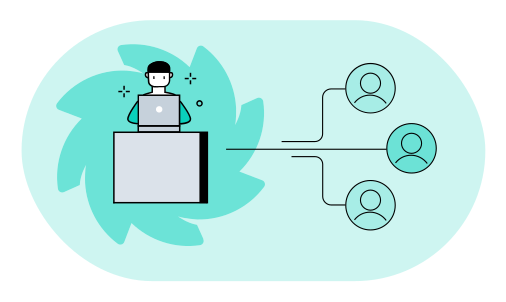
It Asks Your Questions
The agent checks the address is in your service area and asks the urgency questions on your list. Is water still running, is there heat, is anyone at risk?
It answers questions about your services and hours from your website and rules. We set those rules with your team and test them on calls before it answers a real one.
Routine Jobs Go Into Your Schedule
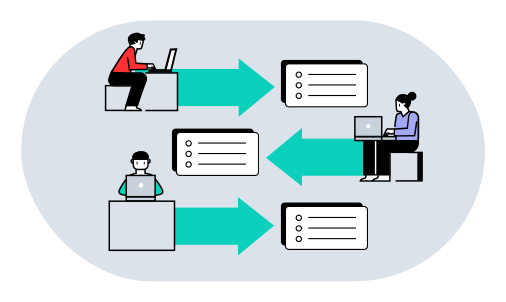
A routine job is booked into an open slot, with the address, the problem and the caller's details. The agent repeats the time back to the caller.
Your dispatcher sees every booking in the morning and can move it. A caller outside your area is told so politely, with your next steps.
Emergencies Go To A Person, Fast
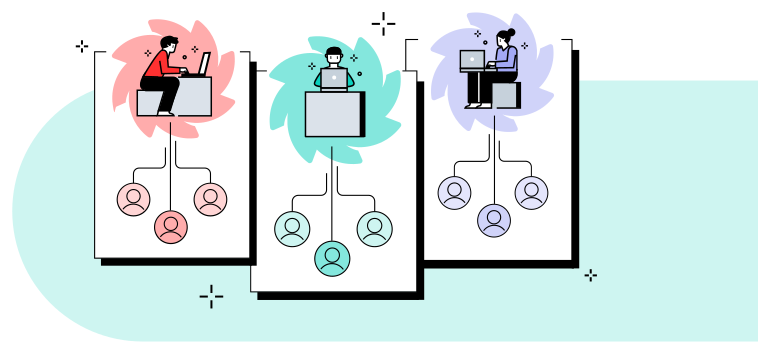
A real emergency on your list goes straight to your on-call technician. It can be a live transfer or an alert with everything needed for a callback.
We set it up the way your on-call process works today. Repair and safety advice always come from a person.
What Missed Calls Cost You.
Put in your own team's numbers. The result updates as you type.
Your Numbers
- Saved a year
- $43,600
- Today
- $128,000
- With the agent
- $84,400
- Pays back in
- 9.6 months
- Three-year return
- 274%
- Deploys for about
- $35,000
Saved a year $43,600
Read The FAQs.
What does Qvery do for service companies?
At Qvery, we help plumbing and heating companies spend less on answering calls, with custom AI agents that pick up after hours. We build them around your own rules and systems. The first working result comes in about two weeks. The hard part isn't booking the job. It's knowing when not to. A dripping tap can wait for Tuesday, but a burst pipe at midnight is on your emergency list. It asks what the caller needs and takes the address and contact details. Routine jobs get booked, and emergencies go to your on-call technician.
What if it books the wrong time slot?
It books only into the open slots your schedule shows. Each booking carries the address, the problem and the caller's details. The agent repeats the time back to the caller, so a mistake gets caught on the call. Your dispatcher sees them all in the morning and can move any, as with a booking your team takes. The schedule stays yours, and your dispatcher has the last word.
What would it refuse to book?
Anything your rules say needs a person: emergencies on your list, jobs outside your area, work you don't do. A caller outside your area is told so politely, with your next steps. A caller who asks for a human goes to your on-call technician or gets a callback. The agent tells every caller what happens next, in your words. Your team picks up the rest in the morning. It books nothing outside your rules. A caller outside your area still gets a clear answer instead of a dead end.
Live transfer or alert for emergencies?
Both are possible. We set it up the way your on-call process works today. That means a live transfer, or an alert with everything needed for a callback. The agent tries your on-call number, then your backup. If nobody answers, it takes a message and promises a callback. It never books an emergency as a routine job, and your on-call technician decides what happens. The alert carries the address, the problem and the caller's answers to your urgency questions.
How does it know our emergency rules?
From you. We write your emergency list, service area and booking rules into the agent with your team. The agent then asks the urgency questions on your list: is water still running, is there heat, is anyone at risk? It checks the address is inside your service area. It answers questions about your services and hours from your website and rules. Those rules stay yours, and your team can review them. The answers decide whether a call is an emergency or a routine job.
What does the free try show?
It shows three example calls answered on your website and rules, written out in full. You get a night emergency, a routine booking and a caller outside your area. Each comes with its booking or alert. You send your website, plus your after-hours rules if they're not on it. It is a written set, not a live call. The set shows how the agent would treat your own customers. A sample is a plumbing and heating company's website, after-hours rules and three calls.
How much does it cost to build?
An agent for this job costs about $35,000 to build, then roughly $1,700 a month to run. The $35,000 is a one-time build, and the monthly figure covers running it. The calculator above shows what that means against your team's time on the phones. Put in your own team's numbers, and the result updates as you type. It counts the people on the phones and the share of their week it takes. It is the largest of the four home services agents to build.
How is caller information kept safe?
The agent keeps only what your booking needs. It passes the address, the problem and the caller's details to your own schedule and on-call technician. It reads only what you connect it to. You decide where it runs and how long anything is kept. Your own schedule stays the place bookings live. Your on-call technician receives the alert details and nothing more. Bookings and alerts leave the agent only through your schedule and your on-call route.
How soon can it answer our phones?
We deliver a working agent in about two weeks. We set the rules with your team first, then write them into the agent. It is tested on calls like the ones in the free try before it's connected to your line. Until then, your line works exactly as it does today. Then your calls go to the agent after hours, at weekends or when every line is busy, instead of voicemail. Nobody hears a ring that goes nowhere. It greets callers in your company's name.
How fast is the free try?
The three calls arrive from vlad@qvery.ai within 15 minutes of sending your website. We delete anything you send as soon as your result is sent. The written set follows your website and rules, so you can check each answer against what you would say. Expect the on-call route for the emergency. The routine job gets a booked slot. The caller outside your area gets a polite decline. The set is yours to read in full before you decide on a build.