Orders From Email, Checked Before Entry
Order Entry Agent finds the message in a customer's email thread that places the order. It checks every line against your quote and hands your team a draft with the differences on top.

Find The Order In One Thread.
- The message that places the order, quoted
- Every line checked against your quote
- A draft order with each difference on top
 Piotr Babel, Partner @ Qvery
The typing is the easy part of entering an order. The hard part is working out which message is the order, and which quote it means. A customer writes "go ahead with the quantities we discussed" and someone pieces the rest together. At Qvery, we help manufacturers put people on the work that matters, with custom AI agents that draft orders from email. A person on your team still enters every order.
Order Entry Agent.
Email orders turned into checked drafts.
Orders Arrive In Your Order Inbox
Customer emails keep arriving the way they do today: replies to quotes, new orders and changes. Orders come as attachments, scans or text in the email.
The agent reads every new message as it lands. Your customers change nothing about how they order.


The Message That Places The Order
The agent tells a question, a price request or a change from a firm order. Only a firm order becomes a draft, and the agent quotes the words it relied on.
It also finds the quote and the drawing version the order refers to. When two messages could both be the order, your team chooses.
Every Line Checked Against The Quote
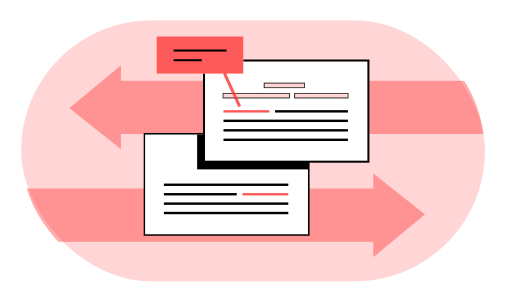
The agent compares each line with the quote: part number, version, quantity, price and requested date. Each difference shows both values side by side.
In your build, it also checks your price lists and part records. Your customers' part numbers are matched to your own.

Your Team Enters The Order
Your team opens a draft order with the differences on top. They check it and enter it.
In your build, the draft is ready in your business system. Nothing reaches the customer without a person.
What Entering Orders Costs You.
Put in your own team's numbers. The result updates as you type.
Your Numbers
- Saved a year
- $24,900
- Today
- $59,400
- With the agent
- $34,500
- Pays back in
- 9.6 months
- Three-year return
- 274%
- Deploys for about
- $20,000
Saved a year $24,900
Read The FAQs.
What does Qvery do for manufacturers?
At Qvery, we help manufacturers put people on the work that matters, with custom AI agents that check orders and quotes. We build them around your own inbox, price lists and systems. This agent watches your inbox for customer emails and finds the message that places an order. It checks every line against your quote. Your team gets a draft order with the differences on top. Replies to old quotes, new orders and changes all land in the same inbox.
Can it tell a quote request from an order?
Yes. The agent reads each message for what it asks: a price, a change, a question or a firm order. Only a firm order becomes a draft. Questions and price requests are set aside. When it decides a message is the order, it quotes the words it relied on, so your team sees why. When two messages could both be the order, the agent does not pick one. Your team chooses. It does not decide whether a contract exists. Where candidates are ambiguous, it quotes them instead of choosing.
Can it read purchase orders as attachments?
Yes. Orders arrive as documents, scans or plain text in the email, and the agent reads all three. It reads each new message as it lands. That includes replies to quotes, new orders and changes to earlier ones. Your customers change nothing about how they order. The agent pulls out the lines and finds the quote and drawing version they refer to. Part numbers, drawing versions, quantities and requested dates all come through as lines to compare.
Why is order entry still so manual?
Orders don't arrive in one format. They hide in replies, attachments and changes to earlier orders. A customer replies to an old quote with "go ahead with the quantities we discussed". Your desk has to spot that it is an order, find the right quote and drawing, and type it in. If nobody reads closely, it becomes a wrong price or a late order. That reading is the hard part, and it is the work the agent takes on.
Does it enter orders into our system?
In your build, we connect the agent to your business system, so the draft is ready there. A person on your team still enters every order. Your team opens the draft, checks the differences shown on top and releases it. Nothing is posted until someone says so. Nothing reaches your customer without a person. The order in your system is always one a person has looked at. Entering the order stays the one human step, and it starts from a checked draft.
What does it check the order against?
The agent works from the quote and the documents it is given. It compares each line: part number, version, quantity, price and requested date. Every difference shows both values together, yours and the customer's. A price that is not the quoted one, or a date that is not the requested one, shows at once. Anything outside those documents is not compared. In your build, we can add your price lists and part records. Your customers' part numbers are then matched to your own.
How much does it cost to build?
Building an agent for this job costs about $20,000. Running it costs about $400 a month. The calculator on this page lets you put in your own team's numbers. It shows what that means against your order team's time. The result updates as you type, so you see figures for your own team and not an average. Then you can weigh the build cost against the hours your team spends keying orders today. The saving the calculator shows comes from time spent finding the order, matching the quote and keying it in.
How is customer data kept safe?
The agent reads only the inbox and systems you connect it to, and what they hold is all it sees. You decide where it runs and how long anything is kept. It sends nothing to customers on its own, and they never see it. Drafts stay inside your team until a person enters the order. In the free try, it reads only the thread and the quote you send.
How soon can it run on our order inbox?
We deliver a working agent in about two weeks. It runs on your real order threads beside your team first. Your team compares each draft with what they would have entered by hand. That shows how it reads your customers' emails before anyone relies on it. After that, your team starts every order from a checked draft. On real threads, your team sees how it handles a reply like that one before anyone relies on it.
What does the free try send back?
You send one customer email thread and the quote it refers to. The sample page uses a fabrication supplier's order thread with its quote. You get the order pulled out of the thread and checked against the quote, as a draft with every difference shown. The words the agent relied on are quoted. It comes from vlad@qvery.ai within 15 minutes. We delete your files as soon as the result is sent. The result shows where in the thread the order sits. The draft shows each difference with both values, so your team can fix a price or a date before entering it.