Know What Each Deal Still Needs Before Closing
Closing Coordination Agent compares each deal file with your checklist and counts every deadline from the latest signed dates. It drafts one short follow-up email per person for your coordinator to send.
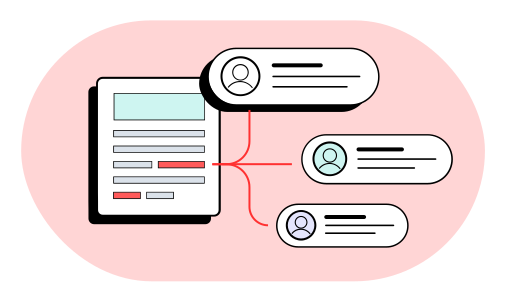
Find What's Missing On One Deal.
- What the file doesn't show yet, against your checklist
- Who owes each item and when it's due
- One follow-up email per person, ready to send
 Piotr Babel, Partner @ Qvery
A coordinator's day goes on finding what's still out, working out who owes it and typing the same update again and again. The hard part is the dates. An addendum moves the inspection deadline, and everything counted from it moves too. At Qvery, we help brokerages free their coordinators from retyping, with custom AI agents that track every paper and draft every follow-up. Your coordinator reads them and presses send.
Closing Coordination Agent.
Deal follow-ups, drafted for your review.
The Deal File, The Checklist, The Dates
Each time a document lands in a deal's file, the agent checks the deal again against your brokerage's checklist. It reads the contract and every addendum, and counts each deadline from the latest signed date.
In your build, it also reads the deal's inbox. A document that arrives in any thread is checked off against the right deal.

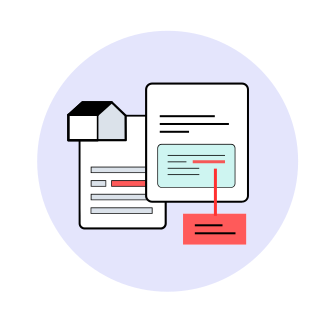
What's Missing, Who Owes It, By When
The agent lists every checklist item the file doesn't show yet, who owes it and when it's due. A paper from another deal never counts here.
Deadlines are counted from the latest dates in the contract and addenda. A date it cannot read stays unknown, and so does every date counted from it.
One Follow-Up Email Per Person
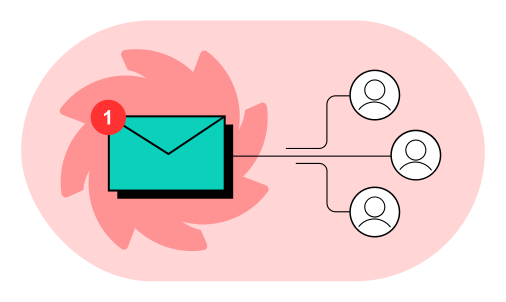
The agent writes one short email per person: the lender, the inspector, the other agent, the buyer. Each one asks only for what that person owes.
Every email names the property, the item owed and the date it's due. It is written in your brokerage's tone.
Your Coordinator Reads And Sends
Your coordinator reads each email, edits it if needed and presses send. A person stays in every conversation with buyers, lenders and title.
The agent never sends anything on its own. Account numbers stay out of every email it drafts.
What Chasing Deal Paperwork Costs You.
Put in your own team's numbers. The result updates as you type.
Your Numbers
- Saved a year
- $29,880
- Today
- $69,360
- With the agent
- $39,480
- Pays back in
- 8 months
- Three-year return
- 348%
- Deploys for about
- $20,000
Saved a year $29,880
Read The FAQs.
What does Qvery do for coordinators?
At Qvery, we help brokerages free their coordinators from retyping, with custom AI agents that track every paper and draft every follow-up. We build them around your brokerage's own checklist and deal files. Every deal has a list of papers still out and half a dozen people asking where it stands. Your coordinators spend the day finding the gaps, working out who owes what and retyping the same status. The agents take on the finding and the first draft of each follow-up. Your coordinator opens the day to a list of what is missing, who owes it and when.
Does each email carry the deal's details?
Yes. Take a financed purchase near closing, with its contract, an addendum and your checklist. The agent reads all three and lists what the file doesn't show yet. It then writes one short email per person: the lender, the inspector, the other agent, the buyer. Each one asks only for what that person owes. Every email names the property, the item owed and the date it is due. Neither the lender nor the inspector gets a request meant for the other. They are written in your brokerage's tone, so the reminders sound like your own.
Does it send the emails itself?
No. It drafts them, and your coordinator reads each one, edits it if needed and presses send. That keeps a person in every conversation with buyers, sellers, lenders and title. The agent never emails anyone on its own. Your coordinator stays the voice that buyers, lenders and the title company hear from, and the drafts only save the typing. Edits go into the draft before it leaves, so the tone and the facts stay your coordinator's final word.
How does it handle addenda that move dates?
The hard part of a closing is the dates. The agent reads the contract and every addendum, and counts each deadline from the latest signed date it finds. When an addendum shifts the inspection deadline, everything counted from it follows. If an addendum can't be read, the affected dates are marked unknown. Every date counted from an unreadable one stays unknown as well, so no guess reaches an email. The emails that follow carry the updated due dates.
What about updates in the wrong thread?
In your build, the agent reads the deal's inbox. A document or update that arrives in any thread is checked off against the right deal. A paper from another deal never counts here. Each time a document lands in a deal's file, the agent rechecks that deal against your checklist. The list of what is missing then stays current without anyone searching threads. An inspection report that arrives on a buyer's reply thread is still credited to its own deal. Nobody has to open each thread to find where a paper went.
Does it check state-required forms?
It checks against your brokerage's own checklist, so what you require is what it chases. For each deal, it lists every checklist item the file doesn't show yet, who owes it and when it's due. Missing means not shown in the file it was given, not that the deal is complete. Checking a file against required forms is what our Transaction Compliance Review Agent does. A form your checklist doesn't list is outside what it checks.
How much does it cost to build?
It costs about $20,000 to build and $400 a month to run. The calculator above puts that against your coordinators' time. You enter your own team's numbers, and the result updates as you type. It shows what chasing deal paperwork costs you today. Retyping the same update every time is part of the work it measures. The savings figure rests on your coordinators' hours.
How is deal data kept safe?
The agent reads only the deal files you connect it to. You choose which deal folders it can reach. You decide where it runs and how long anything is kept. Account numbers stay out of every email it drafts. Its reading is limited to the papers in each deal's file. A deal's contract and addenda are the papers it reads for dates. Each draft carries only what the recipient needs to act.
How soon can it work on our deals?
We deliver a working agent in about two weeks, set up with your checklist. It runs on open deals beside your coordinators first, so they see its lists and drafts next to their own. They compare the two and edit the first drafts before anything goes out. From then on, each document that lands in a deal's file triggers a fresh check. Open deals give it live dates, current addenda and the people to write to.
What does the free try send back?
What's missing on your deal, who owes it, the due dates and the follow-up emails ready to send. You send one deal file with the contract, any addenda and your checklist. The result comes from vlad@qvery.ai within 15 minutes. We delete your file as soon as the result is sent. Include any addenda, because they can move the dates. The agent shows you what it would send your buyer, lender and title company.