Know Which Client Policies Carry AI Wording
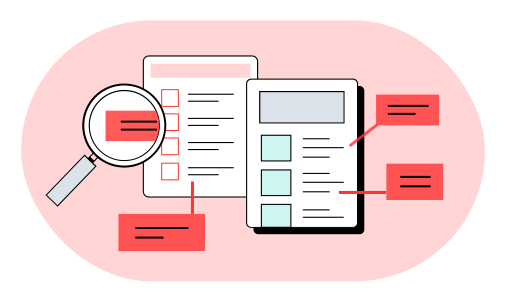
AI Exclusion Review Agent lists every form on a commercial policy, with its number and page. It flags the forms your team names and any title that mentions AI.

Check One Policy For AI Wording.
- Every form and endorsement listed, with its number and page
- The forms your team names and AI titles, flagged
- The wording of each flagged form, ready to read
 Vlad Shvets, Partner @ Qvery
Your clients have started asking whether their policy excludes AI. The wording sits in the forms at the back of every policy, read one renewal at a time. At Qvery, we help agencies keep account managers on client work, with custom AI agents that flag the forms mentioning AI. A form found tells you it's in the policy. Whether a loss would be covered is the conversation your account managers are there for.
AI Exclusion Review Agent.
The forms that mention AI, with their pages.
Every Renewal And New Policy
As renewals and new policies arrive from carriers, each one goes to the agent. It reads the whole policy, the schedule of forms included.
In your build, it can also read the policies you already hold. Your team then knows today which clients have these forms.


Every Form, Listed With Its Number
The agent lists the forms and endorsements on the policy, with each form number, edition and page. The list follows the order of the schedule of forms.
Your account manager can open any cited page and read the wording. Every line points to where it came from.
The Forms That Mention AI
The agent flags the form numbers your team names and any form title that mentions artificial intelligence. Each flag shows the wording and its page.
Your team adds new form numbers as carriers file them. The account manager reads each flagged form in full before calling the client.
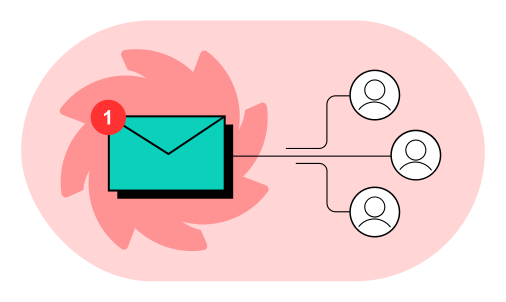
Your Account Manager Calls The Client
Your account manager sees which clients have these forms before the renewal. Your agency decides who calls and when.
What a form means for a client's coverage stays with your licensed team and the carrier. The agent finds the wording, and people judge it.
What Forms Reviews Cost Your Agency.
Put in your own team's numbers. The result updates as you type.
Your Numbers
- Saved a year
- $38,520
- Today
- $63,360
- With the agent
- $24,840
- Pays back in
- 6.2 months
- Three-year return
- 478%
- Deploys for about
- $20,000
Saved a year $38,520
Read The FAQs.
What does Qvery do for insurance agencies?
At Qvery, we help agencies keep their people on client work, with custom AI agents that read policies and check renewals. We build them around the policies you hold and the form numbers your team tracks. Clients now ask whether their policy excludes AI. The answer sits in the list of forms at the back. Your account managers check it one renewal at a time. The agent lists every form on a commercial policy, with its page, and flags the ones that mention AI. Your account managers read the wording and decide what to discuss with each client.
How do I know the form is on the policy?
The agent reads the client's actual policy, not a filing. A flagged form sits on the pages you gave it, and its page number tells your account manager where to look. The agent reads the whole policy, schedule included. It lists the forms and endorsements with each number, edition and page, in the order of the schedule. Any cited page can be opened and read in full. Every line points to where it came from. A flag shows the form's wording, so your account manager reads the text itself rather than a summary of it.
Does a form not found mean no exclusion?
No. The agent checks the form numbers you name and every title that mentions artificial intelligence. A form found tells you it is in the policy. A form not found is not proof that nothing limits AI. Your team reads the rest of the policy as it does today. Your team adds new form numbers as carriers file them, so the list stays current. A title that mentions artificial intelligence is caught even when its number is new to your list.
Who should own the response at renewal?
Whoever owns the client relationship, usually the account manager. The agent makes a new AI exclusion visible at every renewal, so the right person can act. Your account manager sees which clients have these forms before the renewal. They read each flagged form in full before calling the client. The agent does not assign the work. It makes sure someone sees it. Clients ask, and the account manager has the wording in front of them when they call. Your agency decides the process, including who calls and when.
Does it say whether a loss is covered?
No. The agent lists the forms and their pages, and that is where it stops. What a form means for a client's coverage stays with your licensed team and the carrier. That is the conversation your account managers are there for. The agent finds the wording, and people judge it. It never answers whether a loss would be covered.
Can it check our whole book?
Yes. We can run it over the policies you already hold, so your team learns today which clients have these forms. Then it keeps running on every renewal and new policy as carriers send them. Each one goes to the agent as it arrives. Each policy is read whole, the schedule of forms included. Your account managers get the list for the whole book. Forms already on your clients' policies are listed with their pages, and and your agency decides which clients to call first.
How much does it cost to build?
An agent for this job costs about $20,000 to build. Running it costs about $750 a month. The calculator above shows what that means against your team's time. Put in your own numbers and the result updates as you type. That time goes on checking renewals one by one, in the forms at the back of each policy. Your account managers do this by hand today.
How is client data kept safe?
The agent reads only the policies you connect it to. You decide where it runs and how long anything is kept. It changes nothing in your agency system. It works from the pages you gave it, not from a filing. Each flag shows its wording and its page, so your team can check it against the policy itself. Your licensed team makes every call on what a flagged form means for the client.
How soon can it review our policies?
We deliver a working agent in about two weeks, set up with the form numbers your team tracks. The first flags are the ones you already care about. It runs on recent renewals first, beside your account managers. They compare its list of forms with what they find themselves. After that it covers each renewal and new policy as it arrives, with the list ready before the client conversation. The first weeks answer one question: does the list match what your team would find?
What does the free try send back?
The forms on your policy listed, with the ones that mention AI flagged and their pages. Each form comes with its number and page. AI titles are flagged alongside the form numbers your team names. The wording of each flagged form is ready to read. It sits beside the page it came from. The result comes from vlad@qvery.ai within 15 minutes, and your file is deleted as soon as it is sent. The sample we show is a software company's commercial renewal packet, with its schedule of forms.