Less Time Chasing Missing Loan Documents
Loan File Review Agent checks each new loan file against your checklist for that loan type. Your processor gets the marked checklist and one drafted request to the borrower.

Check One Of Your Loan Files.
- Your checklist marked item by item, with the page
- What's missing, out of date or in a different name
- One drafted request to the borrower for everything outstanding
 Vlad Shvets, Partner @ Qvery
A salaried borrower and a self-employed one don't need the same list. So your processors check each file against the right checklist, then write to the borrower again and again. At Qvery, we help lenders spend less on every loan file, with custom AI agents that check files and draft one request. Your processor reviews it and sends it. The borrower gets one clear request for everything still missing.
Loan File Review Agent.
Checked loan files and one clear request.
New Files, Picked Up As They Land
New loan files arrive in your loan system or shared folder, as they do today. The agent starts on each one as it comes in.
When the borrower uploads more, it checks them against what's still outstanding. The request updates, dropping what has already arrived.


The Right Checklist For Each Loan
The agent works out the loan type and reads each document against your checklist for it. It checks names, dates and amounts, not only presence.
A bank statement from the wrong month shows up as out of date. So does an identity document that has expired.
Every Item Marked, With Its Page
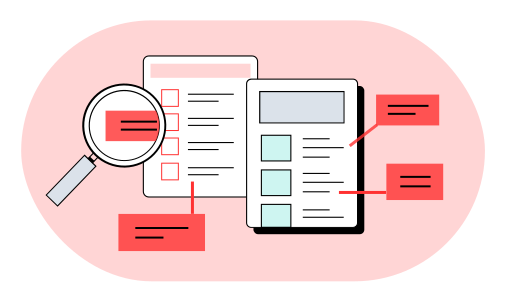
Each checklist item comes back found, missing, out of date or not matching. Every document found comes with its page.
An item your checklist doesn't cover is marked unknown. A gap in the list never passes as a complete file.

One Request, Sent By Your Processor
Your processor gets the marked checklist and one drafted request for everything outstanding. They review it and send it to the borrower.
The agent never contacts a borrower. Lending decisions stay with your underwriters.
What File Checks Cost Your Lending Team.
Put in your own team's numbers. The result updates as you type.
Your Numbers
- Saved a year
- $73,800
- Today
- $171,600
- With the agent
- $97,800
- Pays back in
- 3.3 months
- Three-year return
- 1,007%
- Deploys for about
- $20,000
Saved a year $73,800
Read The FAQs.
What does Qvery do for lenders?
At Qvery, we help lenders spend less per loan file, with custom AI agents that check each one and draft one request. We build them on your own checklists, one per loan type. New files arrive in your loan system or shared folder, as they do today. The agent starts on each one as it comes in. Everything is marked against your checklist for that loan type. Your processor gets the marked checklist and one drafted request. They review it and send it to the borrower.
Which documents are most often missing?
Usually the recent ones: the latest pay stubs, the newest bank statements, a signed tax return page or a current identity document. The agent checks dates too, so an old statement shows up as out of date. A bank statement from the wrong month is flagged, and so is an identity document that has expired. Each finding comes with its page. Your processor sees every gap in one marked checklist. A home purchase file holds pay, bank and identity records, and each is read for its date as well as its presence.
What if borrowers send the wrong files?
The agent checks each new upload against what is still outstanding and updates the request. It drops what has already arrived. After each upload, the borrower gets one request for what is left, not a new list each time. Nothing already received is asked for twice. The borrower sees one clear request for everything still missing. The agent re-checks the whole outstanding list at each upload, so the request is always current.
Does it decide on the loan?
No. It compares a file with a checklist and drafts a request. Credit decisions stay with your underwriters. The agent never says a file is complete or acceptable, and it never scores a borrower. It marks what is found, missing, out of date or not matching. Whether that is good enough is for your team to judge, and your underwriters decide. Underwriters see a file that has been through the checklist first. The agent's job ends at the request.
Do we need to change our checklists?
No. The agent works from the checklists you use today, one per loan type. It works out the loan type and reads each document against your checklist for it. Where an item is not on your list, it says unknown rather than guessing. A gap in the list never passes as a complete file. Your processors keep using the checklists they know. A salaried borrower and a self-employed one need different lists. The agent reads each file against the right one.
What if we send no checklist?
The agent still lists the documents in the file and the details that differ between them. What the loan needs stays unknown until you add your checklist. It checks names, dates and amounts, not only whether a document is present. Add the checklist later, and each file is marked against it. The documents that differ are listed with the page for each. The result is a plain list of what is in the file and what disagrees.
How much does it cost to build?
An agent for this job costs about $20,000 to build and $1,000 a month to run. The calculator above shows what that means against your processors' time. Put in your own numbers and the result updates as you type. Today your processors open every new file, compare it with the checklist and write to the borrower repeatedly. The agent takes that checking and drafting on. The saving comes from your processors' hours, which the calculator counts.
How is borrower data kept safe?
The agent reads only the systems and folders you connect it to. You decide where it runs and how long anything is kept. It never contacts a borrower itself, so every message goes through a person. It works on the files that land in your loan system or shared folder, and the request goes to your processor. Nothing changes in how borrowers send documents. Pay, bank and identity records stay in the file where they are. Your loan system stays the home of the files.
How soon can it work on our files?
We deliver a working agent in about two weeks, set up with your own checklists. It runs on real files beside your processors first, so you see its marked checklists next to theirs. After that, it picks up each new file as it arrives. When the borrower uploads more, it checks them against what is still outstanding. Your processors spend their time on the borrower and the exceptions, not on the first pass. The first run uses real files from your own queue.
What does the free try send back?
Your checklist with every entry marked, and one drafted request to the borrower. Without a checklist, you get the documents found and the details that differ. You send one loan file and your checklist for that type. Where a document is missing, the request asks the borrower for it. The result comes from vlad@qvery.ai within 15 minutes, and your files are deleted as soon as it is sent. Every document found comes with its page.