AI Transformation For Retail

At Qvery, we help retailers save money, with custom AI agents that find duplicate products and check supplier invoices. They also clean up customer records and show what your returns point to. A first working result in two weeks.

Free Report

Find The Duplicates In Your Catalog.

  • Products listed under more than one code, grouped
  • What matches and what differs in each group
  • The code to keep, when you include your rule

Your result arrives from vlad@qvery.ai within 15 minutes. We delete your files as soon as your result is sent.

Piotr Babel, Partner @ Qvery

Two codes can be one product, or two products that differ only in pack size or colour. Two customer records can be one shopper or a household. At Qvery, we help retailers save money, with custom AI agents that group what looks the same and show what differs. Your catalog and customer teams decide on every group.

AI Agents Built For Retail

Four custom AI agents for retailers and distributors. Two clean up your products and customers, one checks what your suppliers bill you, and one reads what your customers send back.

SKU Matching Agent

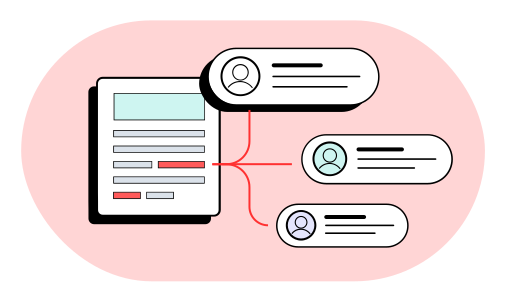
It reads your catalog and your suppliers' files and groups the products listed under more than one code. Each group shows what matches and what differs. With your rule, it names the code to keep. Your catalog team decides on each group.

Customer Record Matching Agent

It puts names, emails, phone numbers and addresses in one format across your systems. It groups the records that look like the same person, with the evidence. Your team decides whether a group is one shopper or a household. Nothing is merged until they do.

Invoice Matching Agent

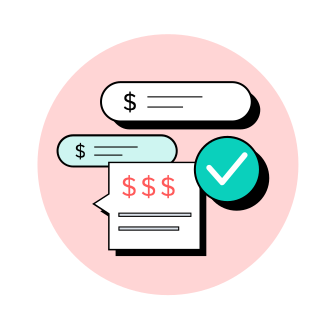
For each supplier invoice, it finds the purchase order and the delivery notes. It compares quantity, price, tax and total, line by line. Each difference goes to the buyer who owns that supplier, with the amount. Your team decides what gets paid.

Returns Analysis Agent

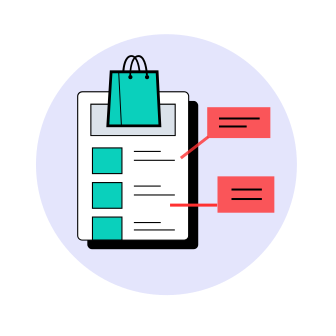
Each week, it reads your returns export, customer comments included. It groups the reasons customers give and shows which products they point to, with the refunds. The team that owns your product pages gets a short list. They decide what to change.

What Retail Checks Cost You.

Set for a retailer of about 200 people, with nine on these jobs. Put in your own numbers and the result updates.

Your Numbers

Matching duplicate customer records
Matching duplicate product codes
Checking supplier invoices
Reading returns
Saved a year
$103,488
Today
$207,480
With the agent
$103,992
Pays back in
10.3 months
Three-⁠year return
249%
Deploys for about
$89,000

Saved a year $103,488

Read The FAQs.

What does Qvery build for retailers?

At Qvery, we help retailers save money, with custom AI agents that clean up product data and check supplier invoices. They also match customer records and read what your returns say. Retail data drifts: duplicate products and customers, invoices that don't match the order, returns nobody reads. Two customer records can be one shopper or a household. One groups products listed under more than one code. Another groups customer records. A third checks invoices, and the last reads returns each week.

Duplicate, or a different size or colour?

It compares the name, brand, size, colour and pack count of every product, and shows what matches and what differs. Two codes can describe one item, or two real ones that differ only in pack size or colour. A different size or colour usually points to a separate item, and the agent says so. A similar name alone never puts two products together. Say a mug comes in blue and green under near-identical names. The colour differs, so they stay apart. Rows with too little information are listed on their own, never forced into a group.

Does it merge or delete anything?

No. The agents propose groups and matches and change nothing in your catalog, customer lists or accounts. Nothing moves until your team acts. Merging, linking or retiring a record happens in your own systems, by your team. The same goes for money: the invoice agent never pays anything. Recording and payment stay with your team, in your own system.

Can it match products across supplier files?

Yes. It reads your catalog together with your suppliers' files, whatever their columns are called. Each one may name, size and code the products its own way. It groups the rows that describe the same item. Names, descriptions, sizes, barcodes and supplier codes all count as evidence. In your build, every new supplier file is checked as it arrives. The code to keep follows your rule, such as the oldest active one.

How does it decide two customers are one?

It puts names, emails, phone numbers and addresses in one format, so "(555) 010-2233" and "555.010.2233" become the same number. Then it groups the records that share enough of them. A shared address with two different names stays a question, never a match. In your build, it also checks each new sign-up against the customers you already have. That cleaned copy lives only inside the agent's work, so your own records stay exactly as they are. Your team decides whether a group is one shopper or a household.

Does it clear invoices for payment?

No. It shows whether the invoice, purchase order and delivery notes agree on every line, and each number carries its page or row. When an order came in several shipments, it adds them up. A receipt sent twice is counted once. A line with no delivery note comes back not found, never a pass. Differences go to the buyer who owns the supplier, with the reason and the amount. A wrong quantity or a missing discount is found before the invoice is paid. Matching invoices move on as usual.

Will it work with our store and systems?

It works from the exports those systems already produce, so nothing has to change on day one. Supplier invoices come in through your payables inbox, as they do today. Your returns export comes in with its comments included. We check what each system offers before we build, so we know early where an export is missing. Your online store, loyalty program and order system keep working as they do.

What does it cost to build these agents?

Each agent costs about $25,000 to build. All four together cost about $89,000 to build and $1,750 a month to run. Take a retailer of about 200 people with nine on these jobs. The four can save about $103,000 a year in team time, after running costs. The four jobs are customer records, product codes, supplier invoices and returns. The calculator on the page is set to those numbers. Put in your own, and the result updates as you type.

What happens to our customers' data?

Before any build, we agree in writing what each agent may read and where its data is processed. Only the people named there see it, and nothing is kept longer than agreed. The agents read only the exports and systems you connect them to. Customer lists are read only to group likely duplicates. Qvery is based in the EU, so the GDPR applies, and we sign a data processing agreement. Files you send to the free try are deleted as soon as your result is sent.

How does a retailer partner with Qvery?

Let's Partner, at the top of the page, books a call with us. We begin where messy data costs your team the most, often the catalog. We build that agent on your own exports, with a first working result in two weeks. The free try on the page shows the catalog check on one export of yours. Your catalog, customer and product teams stay in charge of every decision.