See Which Products Customers Send Back, And Why
Returns Analysis Agent groups the reasons customers give for returns, comments included, product by product. Your product team gets a short list with the refunds attached.
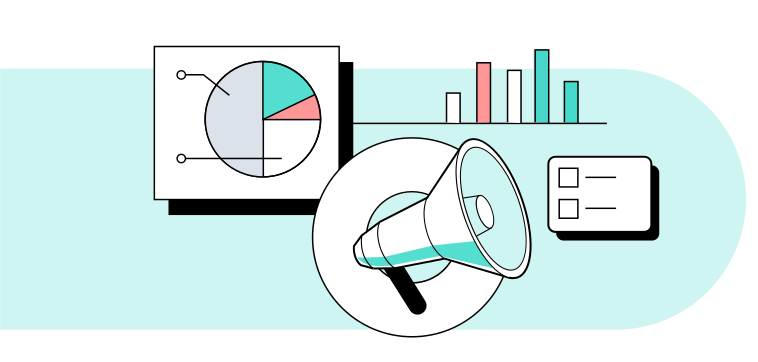
See What Your Returns Say.
- Your most-returned products, with the refunds attached
- The reasons customers gave, grouped, in their own words
- Return rates per product, when you include your orders
 Piotr Babel, Partner @ Qvery
A customer who writes "too small" may have ordered the wrong size, or the size chart may be wrong. A returns export can't tell you which. At Qvery, we help retailers save money, with custom AI agents that show which products the return reasons point to. Your product team gets the list with the customers' own words. They look at the listing and decide what to change.
Returns Analysis Agent.
Return reasons grouped by product.
Every Return, Read Each Week
Each week, the agent reads your returns export from your store, marketplace or returns tool. It reads the comments customers typed, not just the reason they picked.
Some channels give only a reason category. The agent works with those and adds the comments where they exist.


The Reasons, Grouped
The agent groups what customers said into reasons you can act on, such as runs small or arrived damaged. "Runs small" and "had to size up" land in the same group.
Every group keeps the customers' own words as examples. What customers said is kept apart from what caused it.
Which Products The Reasons Point To
The agent shows which products get each return reason most often, with the refunds attached. Exchanges are counted apart when your export marks them.
With your orders for the same period, it works out each product's return rate. Without them, you see returns and refunds per product.
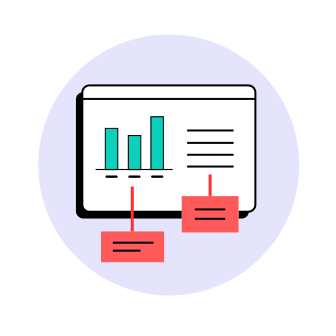

A Short List For The Product Owner
Whoever owns the product pages gets a short list of products to look at. Each comes with the reasons, the refunds and the customers' words.
They check the listing, the sizing or the product itself. What to change stays their decision.
What Reading Returns Costs Your Team.
Put in your own team's numbers. The result updates as you type.
Your Numbers
- Saved a year
- $15,468
- Today
- $33,780
- With the agent
- $18,312
- Pays back in
- 19.4 months
- Three-year return
- 86%
- Deploys for about
- $25,000
Saved a year $15,468
Read The FAQs.
What does Qvery do for retailers?
At Qvery, we help retailers save money, with custom AI agents that read returns and check supplier invoices. We build them on your own data. Your returns say wrong size or not as described thousands of times a year. Nobody has the time to see which products the reasons point to. Each week the agent reads your returns export, comments included, and groups the reasons customers give. Whoever owns your product pages gets a short list, with the refunds attached.
Does it go beyond the dropdown reason?
It reads the comments customers type as well as the reason they pick, and groups them by what they say. "Runs small" and "had to size up" end up in the same group. The groups are reasons you can act on, such as runs small or arrived damaged. Every group keeps the customers' own words as examples, so your product team reads them directly. Different words for the same problem land together, so a reason is counted once, not five ways. What customers said is kept apart from what caused it.
Does it separate exchanges from returns?
Yes, when your export marks them. Exchanges and refunds are counted apart, so a size exchange doesn't read like a lost sale. Say a customer swaps a medium for a large: no refund, no lost sale. Whoever owns the product pages sees both numbers apart. Each item shows the refunds attached to its returns, so the owner sees where money went out.
What if marketplace reasons are generic?
It still helps. It groups whatever detail your exports carry. Where a marketplace gives only a reason category, the agent works with that. It adds the comments from the channels that have them. Your store, marketplace and returns tool can each be the source of an export. A category such as wrong size is still grouped by product, with the refunds attached. A marketplace that sends only categories and a store that includes comments both feed the same grouping. Where customers' own words exist, they stay as examples in each group.
Does it tell us the cause of a return?
It tells you what customers said and which products those reasons point to. Whether the cause is the item, the listing or the sizing is for your product team to judge. A customer who writes too small may have picked the wrong size, or the chart may be off. A returns export cannot tell you which. The agent never claims a proven cause.
Can it show return rates per product?
Yes, when you add your orders for the same period. With them, the agent works out each product's return rate. Without them, it shows returns and refunds per product, which already tells you where to look. The rate sits beside the refunds, so a product with few returns but a costly one still stands out. Returns alone cannot give a rate: orders for the same period make it possible. Your product team gets the figures with the customers' words beside them.
How much does it cost to build?
An agent for this job costs about $25,000 to build and $400 a month to run. The calculator above shows what that means against your team's time. Put in your own team's numbers and the result updates as you type. It sets the build and the monthly cost against the hours your team spends reading returns today. The calculator prices reading returns by hand: the export, then the comments, one row at a time. The agent reads the comments every week and groups what customers said.
How is customer data kept safe?
The agent reads only the exports you connect it to and changes nothing in your store. You decide where it runs and how long anything is kept. The comments customers typed are read along with the reasons they picked. The agent reads the export, not your customers' accounts. The export is the only thing the agent needs from you. What to change on a product page stays with whoever owns it. The agent hands back reasons, products and refunds, and nothing is written to your store.
How soon can it analyze our returns?
We deliver a working agent in about two weeks, set up on your own exports from your store, marketplace or returns tool. Your product team reviews the first lists with us, to see whether the groups match what they see on the pages. From there it runs every week. The short list arrives, and your product team decides what to change on each page.
What does the free try send back?
Your most-returned products, the reasons customers gave and the refunds attached. The reasons are grouped, in the customers' own words. With your orders for the same period, it adds a return rate for each product. You send your returns export with customer comments. The words customers typed are read as well as the reason they picked. The sample on the page is a clothing and homewares retailer's month of returns, with comments and sales. It comes from vlad@qvery.ai within 15 minutes. It is the same grouping a weekly run produces. We delete your file as soon as your result is sent.