Every Borrower Letter Sorted, Its Deadline In View
Borrower Correspondence Handling Agent reads each letter and email the day it arrives and proposes what kind of request it is. It shows the deadline that request starts, with the rule behind the date.

Sort One Of Your Borrower Letters.
- What kind of request the letter is
- The deadlines it starts, with the rule behind each
- Who should answer it, with a draft reply
 Vlad Shvets, Partner @ Qvery
Some borrower letters start a legal deadline the day they arrive, not the day someone opens them. A notice of error sitting in a shared inbox for a week has already used a week. At Qvery, we help loan servicers spend fewer hours on borrower mail, with custom AI agents that sort every letter by deadline. When a rule or a holiday is missing, the agent says unknown. It never guesses a date, and it never decides what the borrower is owed.
Borrower Correspondence Handling Agent.
Borrower mail sorted, with its due dates.
Read The Day It Arrives
Borrower letters, emails and portal messages come into your team's inbox, as they do today. The agent reads each one and records the day it arrived.
That arrival date is what the deadlines count from. A letter left in a shared inbox for a week has already used a week.


What Kind Of Request It Is
The agent proposes a type for each one: an error claim, a request for information, a payoff request or a complaint. It quotes the borrower's words behind that type.
Your team confirms the type with those words in front of them. The arrival date stays the day the letter came in.
The Deadlines It Starts
For each type, the agent counts the days to each deadline from the arrival date. It uses your own rules and your business-day calendar.
Where your rules allow an extension, it shows both dates until your team decides. If a rule or a holiday is missing, the date stays unknown.

On The Right Person's List
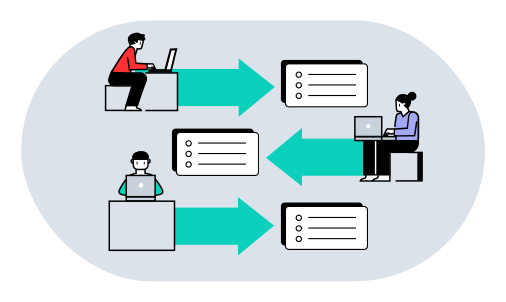
Each letter lands on the right team's list with its type, its dates, the rule behind them and a draft reply. Nobody has to hunt for it in a shared inbox.
Your team confirms the type and sends every answer. Whether a deadline was met, and what the borrower is owed, stays with your team.
What Sorting Borrower Mail Costs You.
Put in your own team's numbers. The result updates as you type.
Your Numbers
- Saved a year
- $81,000
- Today
- $171,600
- With the agent
- $90,600
- Pays back in
- 3 months
- Three-year return
- 1,115%
- Deploys for about
- $20,000
Saved a year $81,000
Read The FAQs.
What does Qvery do for loan servicers?
At Qvery, we help loan servicers spend fewer hours on borrower mail, with custom AI agents that sort every letter by deadline. We build them on your own rules and systems. Letters, emails and portal messages come into your team's inbox, as they do today. Some letters start a legal clock on arrival. That clock keeps running while a letter waits in a shared inbox. The agent reads each one the day it arrives and proposes what kind of request it is. Each lands on the right person's list with its dates, the rule behind them and a draft reply.
Can it tell an error claim from a question?
It reads what the borrower asks for and proposes a type: an error claim, a question, a payoff request or a complaint. It quotes the borrower's words behind that call. Your team confirms the type with those words in front of them. Each type starts its own deadlines, which decide the dates the agent counts. The arrival date stays the day the letter came in, whatever the type turns out to be. A complaint, an error claim and a payoff request each start a different clock.
Which deadlines does it track?
The ones your rules set for each type, such as acknowledging and answering a notice of error, and payoff requests. We set them up with your compliance team. The agent counts the days to each deadline from the arrival date and shows the rule behind each one. The dates sit on the list entry for each letter, next to the draft reply. Where a rule is not given, the date stays unknown. The rules are yours: the agent brings no deadlines of its own. A payoff request has its own deadline, separate from an error claim.
Does it handle extensions and business days?
Yes, from your rules and your business-day calendar. Where an extension is allowed, it shows the original and the extended date until your team decides. Both dates stay visible, so nobody works from the wrong one. If a rule or a holiday is missing, the date stays unknown, and the agent never guesses one. Your team decides which date applies, and the letter stays on its list until it is answered. The business-day calendar is yours, so holidays follow your own list.
Does it answer borrowers?
No. It drafts acknowledgments and puts each letter on the right list. A person sends every answer. Nothing goes to a borrower from the agent itself. Nobody has to hunt for a letter in a shared inbox. Each draft arrives with the letter's type, its dates and the rule behind them. Your team edits the wording, confirms the type and sends the final answer. A shared inbox stops being the place where deadlines are tracked.
Does it say if we missed a deadline?
It shows the arrival date and the due dates. Whether a deadline was met, and what the borrower is owed, stay with your team. The agent never says a servicer missed a deadline or broke a rule. It proposes a type and a due date and shows the rule behind each. The arrival date is the day the letter came in, not the day someone opened it. Your compliance team sees the same dates the agent counted, with the rule beside each.
How much does it cost to build?
An agent for this job costs about $20,000 to build and $400 a month to run. The calculator above shows what that means against your team's time. Put in your own numbers and the result updates as you type. A notice of error left in a shared inbox keeps using up its deadline. The agent puts it on the right list the day it arrives, with its type and dates already worked out. A servicer's email thread with its account history is the kind of mail it reads.
How is borrower information kept safe?
The agent reads only the inbox you connect it to. You decide where it runs and how long anything is kept. It works on the letters and emails in that inbox and returns the type, the deadlines and the right person. It returns nothing to a borrower. Your team sees each result on its own list, so the borrower's details stay with the people who already handle them.
How soon can it sort our mail?
We deliver a working agent in about two weeks, set up with your rules and calendar. It runs beside your servicing team first. Your team sees how the agent types each letter and counts each deadline, next to what it does today. After that, borrower letters, emails and portal messages are read the day they arrive. Borrowers write in as they do today. Your servicing team keeps writing the answers.
What does the free try send back?
What kind of request your letter is, the deadlines it starts where your rules settle them, and who should answer it. You send one borrower letter or email and the date it arrived. Include your deadline rules if you have them. Where a rule is missing, the date reads unknown. The result comes from vlad@qvery.ai within 15 minutes, and your file is deleted as soon as it is sent. A draft reply comes with it for the person who answers.