See What Changes Your Price Before You Quote
RFQ Review Agent reads every note and clause in a customer's request for quote. It lists the requirements that change your price, each with its page, for your estimator.

Read One Request For Quote.
- The requirements that change your price, each with its page
- Requirements that conflict between documents
- Each one marked against your capabilities, when you include them
 Piotr Babel, Partner @ Qvery
Your quoting tool prices the part on the drawing. The note on sheet three asking for a certificate per lot is another matter. So is the late-delivery penalty in the quality terms. At Qvery, we help manufacturers spend less time reading fine print, with custom AI agents that review every request for quote. Your estimator prices each requirement in before the quote goes out.
RFQ Review Agent.
Price-changing requirements, each with its page.
The Request, As It Arrives
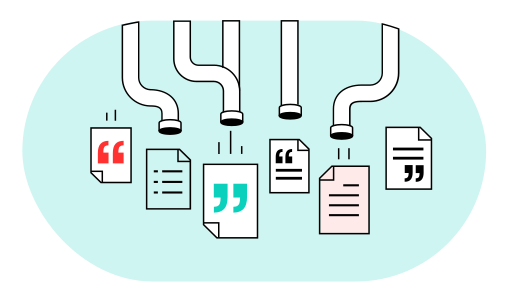
A customer's request for quote arrives in your inbox with drawings, terms and quality requirements. The agent reads every written page, scans included.
It reads the notes and clauses, not the geometry. Dimensions and models stay with your quoting tool and your engineers.
Every Note And Clause Read
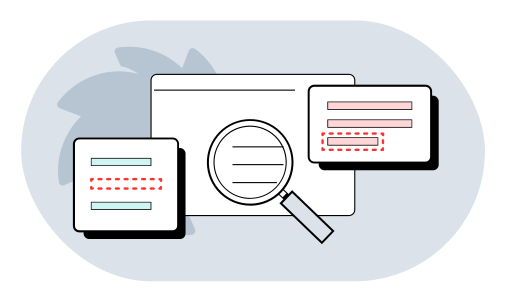
The agent reads every written note on the drawings and every clause in the terms. It reads the quality and packaging requirements too.
A page it can't read is listed as unreadable. It is never skipped in silence.
What Changes Your Price
The agent lists the requirements that affect cost: material, finish, inspection, certificates, packaging, delivery and penalties. Each comes with its page.
When you add your capability list, each one is marked against it. Where the list says nothing, the item stays unknown.


Your Estimator Prices Them In
Your estimator reviews the list with its pages and prices each requirement in. Requirements that conflict between documents become questions for the customer.
Pricing and the decision to quote stay with your team. So does reading what a penalty clause means for you.
What Reading Quote Requests Costs You.
Put in your own team's numbers. The result updates as you type.
Your Numbers
- Saved a year
- $28,380
- Today
- $67,560
- With the agent
- $39,180
- Pays back in
- 8.5 months
- Three-year return
- 326%
- Deploys for about
- $20,000
Saved a year $28,380
Read The FAQs.
What does Qvery do for manufacturers?
At Qvery, we help manufacturers spend less time reading fine print, with custom AI agents that review quote requests and orders. We build them around your own inbox and systems. This agent reads every written note on the drawings and every clause in the terms. It then lists what changes your price, with the page beside each item. Your estimator prices them in and flags the ones you cannot meet. It reads the package as it arrives in your inbox: drawings, terms and quality clauses.
Is there a better way to read fine print?
Yes: have every note and clause read the same way, every time. Your estimator gets the requirements with their pages, instead of hunting through the package. Your quoting tool prices the part on the drawing. The notes, terms and quality clauses in the same package still get read by hand. One note on sheet three asks for a certificate per lot. A clause in the quality terms sets a late-delivery penalty. A requirement found after the quote went out is one you did not price. Your estimator reads the whole package once, with every page beside the item it affects.
What if the request arrives only as images?
The agent reads page images too, including scans. It opens every written page of the package that arrives in your inbox. A page it cannot read is listed as unreadable, never skipped in silence. Your estimator then knows which pages to open by hand before the quote goes out. The rest of the package is still read and listed in full. Quality and packaging requirements are read the same way.
Does it check dimensions on the drawing?
No. It reads the written notes, tolerances given in text, terms and clauses. Geometry and models stay with your quoting tool and your engineers, which already do that job. The agent covers the part your quoting tool leaves out: the notes on sheet three, the quality terms and the delivery clauses. Your estimator gets both views and prices the whole package.
Does it price or decide whether to quote?
No. The agent prices nothing and never says whether to quote, bid or decline. It lists the requirements that change the price: material, finish, inspection, certificates, packaging, delivery and penalties. Requirements that conflict between documents become questions for the customer. Pricing and the decision to quote stay with your estimator. The agent also does not judge whether your shop can make the part. Your estimator can send those questions before pricing.
What does it do with penalty clauses?
It lists penalty and liability clauses with their page, so a person reads them before the quote goes out. It flags them and does not interpret them. A late-delivery penalty reaches your estimator in the same list as the material requirements, with the page beside it. Any legal reading of the clause stays with your team. The page number lets your estimator find the clause in seconds.
How much does it cost to build?
Building an agent for this job costs about $20,000. Running it costs about $450 a month. The calculator on this page lets you put in your own team's numbers. It shows what that means against your estimators' time. The result updates as you type, so you see figures for your own team and not an average. Then you can weigh the build cost against the hours your estimators spend on fine print today. Both figures cover reading the package and listing the requirements with their pages.
How are customer drawings kept safe?
The agent reads only the packages you send it, and a page you leave out is never opened. You decide where it runs and how long anything is kept. It contacts no customer on its own and prices nothing. Your customers see nothing from the agent. Your estimator is the one who answers them, with the list and its pages in hand.
How soon can it read our quote requests?
We deliver a working agent in about two weeks, set up with your capability list. It runs on past requests beside your estimators first. They compare its list with what they found by hand. That shows you how it reads your customers' packages before anyone relies on it. After that, your estimators start each quote from the list, with the pages beside every requirement. A requirement that your capability list is silent on is never counted as a match. Your estimators judge the first lists on requests they have already quoted.
What does the free try send back?
You send one request-for-quote package, and your list of capabilities if you have one. The sample page uses a machining shop's request with its schedule, drawing notes, terms and capabilities. You get the requirements that change your price, each with its page. With your capability list, each one is marked against it. Without one, every requirement stays unknown. It comes from vlad@qvery.ai within 15 minutes. We delete your files as soon as the result is sent.