AI Transformation For Construction

At Qvery, we help contractors save money, with custom AI agents that check submittals, compare bids and document extra work. Your estimators and project managers decide on every finding. A first working result in two weeks.

Free Report

Check One Of Your Submittals.

  • Every requirement next to the product's values
  • Mismatches flagged, with the page on both sides
  • A review comment, ready to edit

Your result arrives from vlad@qvery.ai within 15 minutes. We delete your files as soon as your result is sent.

Piotr Babel, Partner @ Qvery

The lowest bid is only the lowest if it covers the same work. A product submittal is checked only once it's compared with every line of the specification. At Qvery, we help contractors save money, with custom AI agents that do that reading, page by page. Your estimators and project managers decide.

AI Agents Built For Construction

Four custom AI agents for contractors, following the paperwork of a job. The bids before it starts, the submittals while it runs, the records when the work changes and the waivers before each payment.

Bid Leveling Agent

Each subcontractor sends its bid in its own format. The agent lines the bids up against your list of the work in the package. It shows what each bid includes, excludes or leaves out, with the page. Your estimator asks for missing prices and picks the bid.

Submittal Review Agent

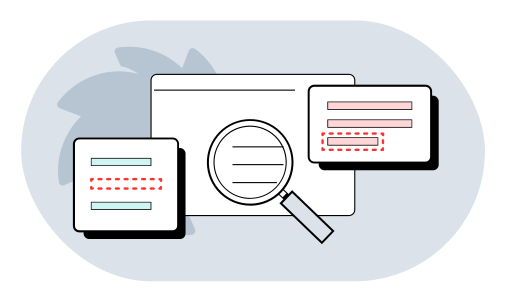
It reads each product submittal beside the specification section it answers. Every requirement sits next to what the product offers, with the page on both sides. A mismatch comes with a review comment, ready to edit. Your engineer reviews the comment and returns the submittal.

Change Order Documentation Agent

It reads your daily logs for the weeks of the extra work. It builds a dated timeline of who asked, who worked and what equipment ran. Each entry is quoted with its page, and gaps are listed. Your project manager prices the change and submits it.

Lien Waiver Review Agent

It compares each waiver's type, amount, date, names and project with the payment request it covers. It checks for the signature and the notary stamp. A waiver that doesn't match comes with a note asking for a corrected one. Your project accountant decides when to release payment.

What Paperwork Costs Your Team.

Set for a contractor of about 200 people, with 19 on these jobs. Put in your own numbers and the result updates.

Your Numbers

Checking lien waivers against payment requests
Reviewing submittals against the specification
Comparing subcontractor bids
Gathering proof of extra work
Saved a year
$160,619
Today
$388,965
With the agent
$228,346
Pays back in
6 months
Three-⁠year return
502%
Deploys for about
$80,000

Saved a year $160,619

Read The FAQs.

What does Qvery build for contractors?

At Qvery, we help contractors save money, with custom AI agents that check the paperwork deciding who gets paid. They compare subcontractor bids, review submittals, document extra work and examine lien waivers. We build them around your own projects, forms and files. Four agents follow a job from the bids at the start to the waivers at each payment. Your estimators and project managers decide on every finding. Construction paperwork decides who gets paid and what gets built.

How do we see what the review checked?

The submittal agent lists every requirement in the specification section next to what the product offers, with the page on both sides. Your engineer sees the whole comparison, not just a verdict. Each requirement comes back as matches, differs or not shown. A requirement the submittal does not address is listed as not shown, and the agent assumes nothing. Units are converted before anything is compared. Your engineer asks the subcontractor for whatever a line marks as not shown.

Can't we use a general chatbot instead?

A chatbot answers what you ask, once. The agent we build runs on every submittal that arrives and reads your own spec sections. It shows the page on both sides for every line and writes the review comment in your format. So the check is the same on every job. Your engineer edits the comment and sends it, and the architect of record keeps the final word.

How does it handle bids that omit work?

It lines every bid up against your list of the work. Each item is marked included, excluded or not mentioned, with the page. Where a bid prices an excluded item, the amount is shown. Otherwise the item reads unpriced, never a guess. Optional items and allowances sit apart from the base price. Your estimator asks each subcontractor to price what it left out before picking. The agent never ranks the bidders. Without your list, it compares the bids with each other and finds only what at least one mentions.

Can it use our messy field notes?

Yes. The Change Order Documentation Agent reads the daily logs and field notes as your superintendents write them, typed, handwritten or photographed. It dates what it finds: who asked for the extra work, who did it and what equipment ran. Each entry is quoted with its page. It lists the proof those pages do not contain, so your project manager can ask the crew while they still remember. Pricing and submitting the change stay with your project manager.

Does it check our state's lien waiver form?

It checks the waiver against the payment request and the form you give it. That covers type, amount, the date it runs through, names, project, signature and notary stamp. Give it your state's form and it checks the wording too. It shows where the language differs and leaves the legal reading to you. A waiver that does not match comes with a note asking the subcontractor for a corrected one. Your project accountant decides when to release payment.

Will it work with Procore, Bluebeam or Sage?

It works from the files and exports your team already has. Where your project or accounting system lets an agent connect, it takes its input from there and writes its results back. We check what yours allows before we build. Your subcontractors keep sending bids, submittals and waivers the way they do today. The agents read what already arrives, and your people stay in charge of every answer.

What does it cost to build these agents?

Each agent costs about $20,000 to $25,000 to build. All four together cost about $80,000 to build, plus $2,000 a month to run. The calculator on this page is set for a contractor of 200 people, with 19 of them on these jobs. For that company, the four can save about $160,000 a year in team time, after running costs. You can put in your own numbers, and the result updates as you type. That is the team time spent on waivers, submittals, bids and proof of extra work.

What happens to our specs, bids and logs?

Before any build, we agree in writing which systems each agent may read and where its information is processed. The agents read only what you connect them to. Only the people named there see it, and nothing is kept longer than agreed. Qvery is based in the EU, so Europe's GDPR applies, and we sign a data processing agreement. Files you send to the free try are deleted as soon as your result is sent.

How does a contractor partner with Qvery?

Book a call through Let's Partner at the top of this page. We start with the paperwork that costs your jobs the most hours, often the submittals. We build its agent on your own specs and files, with a first working result in two weeks. It runs beside your team first, and your engineers, estimators and project managers decide what goes out. You can also try the first agent free, on one of your own documents.