Find Shipment Document Differences Before Entry
Shipping Document Matching Agent reads a shipment's invoice, packing list and bill of lading side by side. Your team gets every detail that disagrees, with its page and a drafted email to the shipper.
Check One Of Your Shipments.
- Every detail that disagrees across the three documents
- What each document says, with its page
- A drafted email to the shipper for what's needed
 Piotr Babel, Partner @ Qvery
A checker that guesses is worse than no checker. When the weight on a bill of lading is too blurry to read, the agent says so. It never fills in a number that looks right. At Qvery, we help forwarders put people on the work that matters, with custom AI agents that check shipment documents. Classification, value and duty stay with your licensed broker.
Shipping Document Matching Agent.
Shipment documents checked together, page by page.
The Documents Arrive As They Do Today
Each shipment's invoice, packing list and bill of lading land in your shared inbox or shipment folder. Shippers, carriers and agents send them as they always have.
The agent picks them up there. It reads clean files, scans and photos taken on a phone.

All Three Read Side By Side
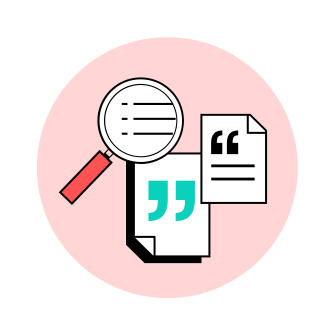
The agent compares the shipper, the receiver, the pieces, the weights, the values and their currency, and the goods. It checks them across all three documents.
It keeps the quantity ordered and the quantity sent apart, and says which one the invoice uses. A quantity difference the packing list doesn't explain becomes a question for the shipper.
Every Mismatch With Its Page
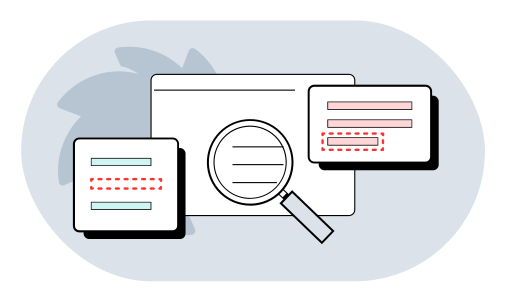
For each detail that disagrees, you see what each document says and the page it's on. A missing carton or a different receiver shows up at once.
Whatever the agent can't read is listed as unreadable. A weight nobody can read becomes a question for the shipper.
Your Team Sends One Clear Question
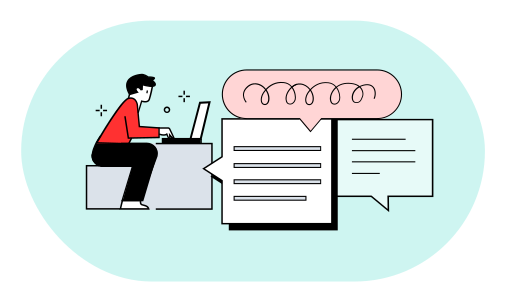
Your team gets the short list of problems and a drafted email to the shipper. It asks for exactly what's needed.
They check the email and send it. Classification, value and duty stay with your licensed broker.
What Document Checks Cost You.
Put in your own team's numbers. The result updates as you type.
Your Numbers
- Saved a year
- $39,420
- Today
- $74,700
- With the agent
- $35,280
- Pays back in
- 6.1 months
- Three-year return
- 491%
- Deploys for about
- $20,000
Saved a year $39,420
Read The FAQs.
What does Qvery do for logistics companies?
At Qvery, we help forwarders put people on the work that matters, with custom AI agents that check shipment documents. We build them around your shared inbox, shipment folders and systems. Today your team lines three documents up by eye for every shipment and retypes the details. A weight or value that doesn't match is found late, and the shipment waits. The agents compare all three and mark what matches, what doesn't and what they can't read. Your team gets the short list of problems and a drafted email to the shipper.
What does it check beyond names and weights?
It compares the shipper, the receiver and the pieces with their type. It also compares the gross and net weights, the values with their currency, and the description of the goods. It checks them across all three documents. Your team can add its own rules, such as how goods must be described. A missing carton or a different receiver shows up at once. The result is one sheet listing every mismatch, what each document says and the page it is on. These are the fields the agent holds up against each other.
What about partial shipments?
The agent keeps what was ordered apart from what was sent. When the packing list shows both, it compares matching figures. It says which one the invoice uses, so a partial shipment is not a false alarm. A quantity difference the packing list doesn't explain becomes a question for the shipper. The drafted email asks for exactly what is needed. Nobody has to work out by eye whether a gap is a short shipment or a typo. The invoice's choice is named, so the packing list can be read against it.
Can it check the shipping instruction too?
Yes, in your build. It covers whichever documents your team compares today, such as the shipping instruction and the draft bill of lading. The build is set up around those pairs, and each difference comes with its page. The free try checks the three shipment documents: the commercial invoice, the packing list and the bill of lading. Your team names the documents, and the agent does the lining up. That includes the pairs your team already checks by hand.
Does it decide classification or duty?
No. The agent compares documents and drafts questions. Classification, value and duty stay with your licensed customs broker, who sees every difference before anything is filed. Your team reviews the drafted email and sends it. Nothing goes to the shipper before a person on your team has read it. Value stays with the broker even when the invoice and packing list disagree on it. The agent never labels goods or sets a value.
What if a document is a blurry photo?
The agent reads clean files, scans and photos taken on a phone. It reads what it can and lists what it can't. A weight nobody can read becomes a question for the shipper. It never fills in a number that looks right, because a tool that guesses is worse than none. The unreadable pages sit in the same short list as every other difference. Your team asks the shipper for a clearer copy.
How much does it cost to build?
It costs about $20,000 to build and $450 a month to run. The calculator above puts that against your team's time on documents. You enter your own team's numbers, and the result updates as you type. It shows what document checks cost you today, from lining up the three to retyping the details. Both figures sit beside your team's own numbers. Comparing the three for every shipment is the work it measures.
How is our shipment data kept safe?
The agent reads only the inboxes and folders you connect it to. You decide where it runs and how long anything is kept. It works from the invoice, packing list and bill of lading you give it. It sends nothing to a shipper on its own, so every email leaves from a person on your team. It reads files and phone photos from those places only. Documents stay in the inbox and folders where they arrive.
How long until it works on our shipments?
We deliver a working agent in about two weeks, connected to your inbox. Each shipment's documents land in your shared inbox or shipment folder, as they do today. Everyone who sends them keeps doing so as before, and the agent picks them up there. It runs on your real shipments beside your team first, so you see its short list next to your usual steps. Mismatches are flagged before entry, so the shipment does not wait. Your team keeps its own checks running during that time.
What does the free try send back?
Every detail that disagrees across the three, with its page and what each one says. You also get a drafted email to the shipper. You send the commercial invoice, packing list and bill of lading for one shipment, as files or phone photos. The sample is an industrial exporter's invoice, packing list and draft bill of lading. It comes from vlad@qvery.ai within 15 minutes. We delete your files as soon as the result is sent.