Check Every Container Late Fee Before You Pay It
Demurrage Invoice Audit Agent checks each late-fee invoice for the details it must carry and works out the charge again. Your team gets the differences and a question to the carrier, ready to send.
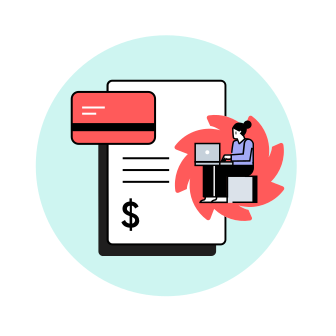
Check One Container Late-Fee Invoice.
- Every detail the rule requires, checked
- The charge worked out again from its dates and rate
- A question to the carrier, ready to send
 Piotr Babel, Partner @ Qvery
Container late fees usually get paid after a quick look, because nobody has time to read every invoice properly. Yet an invoice can leave out a detail the rule requires, or add up to more than its own dates support. At Qvery, we help importers spend less on container late fees, with custom AI agents that check every invoice. The person who owns the carrier relationship decides with the facts in front of them.
Demurrage Invoice Audit Agent.
Every late fee checked and worked out again.
Invoices Arrive By Email, As Now
Late-fee invoices come in from carriers and terminals to the inbox we connect. They arrive as PDF attachments or in the email itself.
The agent picks each one up as it lands. Nobody has to forward it or type it into a sheet.


Every Required Detail, Checked
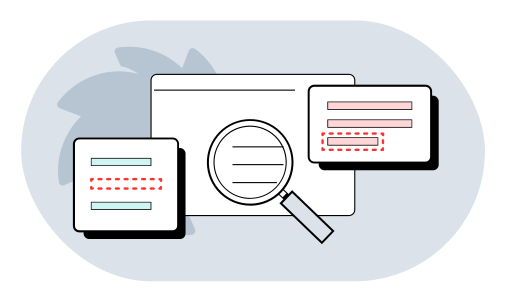
The agent checks each invoice against the federal rule's list: container, dates, free days, rate and the basis for the charge. It notes where it found each one.
A missing detail is listed by name. Your team decides whether the rule covers that biller before raising it.
The Charge, Worked Out Again
From the dates, the free days and the rate printed on the invoice, the agent works out the charge again. It compares that figure with the invoice total.
When you add your booking, bill of lading or terminal records, it checks the dates against them too. It shows where the dates disagree and leaves the cause to your team.
Pay Or Ask, With The Question Written
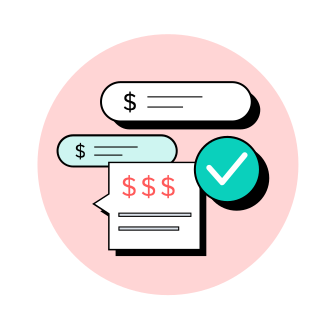
Your team sees which invoices add up and which have a missing detail or a different total. For those, a question to the carrier is already drafted.
The agent counts the days you have to dispute, from the contract terms you give it. Your team decides whether to pay, and sends every question.
What Late-Fee Invoices Cost You.
Put in your own team's numbers. The result updates as you type.
Your Numbers
- Saved a year
- $7,532
- Today
- $30,045
- With the agent
- $22,514
- Pays back in
- 2.7 years
- Three-year return
- 13%
- Deploys for about
- $20,000
Saved a year $7,532
Read The FAQs.
What does Qvery do for importers?
At Qvery, we help importers spend less on container late fees, with custom AI agents that check every invoice. We build them around your own invoice inbox and systems. Late fees usually get paid after a quick look, because nobody has time to read every invoice properly. Yet an invoice can leave out a detail the rule requires, or add up to more than its own dates support. Under the federal shipping rule, an invoice that leaves out required details may not have to be paid at all. The agents read each one in full. The person who owns the carrier relationship decides with the facts in front of them.
What does it check an invoice against?
Late-fee invoices come in from carriers and terminals to the inbox we connect, as PDF attachments or in the email itself. The agent picks each one up as it lands. Nobody forwards it or types it into a sheet. It checks each invoice against the federal rule's list: container, dates, free days, rate and the basis for the charge. It notes where it found each one. From the printed dates, free days and rate, it works out the charge again and compares it with the total.
Does the federal rule cover every invoice?
Only invoices from the billers it covers, mainly for shipments through U.S. ports. The agent checks every invoice against the list anyway. A missing detail, such as the basis for the charge, is listed by name. Whether a missing item matters depends on the biller being covered, which the invoice alone can't show. Your team decides whether the rule covers that biller before raising it. The rule's list is the same for every invoice, so a missing detail is easy to see.
Can it tell if the terminal was at fault?
Not from the invoice alone. When you add your booking, bill of lading or terminal records, the agent checks the invoice dates against them. Your records of when the container was ready and when it was picked up are the ones that count. It shows where the dates disagree. It does not guess who caused a delay, and it leaves the cause to your team. Without those records, it works only from the dates and rate printed on the invoice. A container ready on one date and picked up on another gives dates your records can set against the invoice.
Does it decide whether we pay?
No. It shows what is present, what is not found and what is different, and it never says pay or dispute. It also shows whether the total adds up. Your team sees the invoices that add up, and the ones with a missing detail or a different total. For those, a question to the carrier is already drafted. Paying or disputing stays with your team. A different total shows up as a gap between the invoice and the charge worked out again.
What about the deadline for disputing?
The agent counts the days you have to dispute, from the contract terms you give it. The invoice date sits next to the drafted question, so your team sees it in time. For each invoice with a missing detail or a different total, that question is already written. Your team sends every question. Nothing reaches the carrier before then.
How much does it cost to build?
It costs about $20,000 to build and $450 a month to run. The calculator above puts that against your team's time. You enter your own team's numbers, and the result updates as you type. It shows what late-fee invoices cost you today. The review it measures is the spot check that late fees get at best, plus the time spent on disputes. Your team's numbers drive the result, not ours. Container late fees are demurrage or detention charges.
How is our shipment data kept safe?
The agent reads only the inbox and records you connect it to. You decide where it runs and how long anything is kept. It sends nothing to carriers on its own. It works from the invoice and any booking, bill of lading or terminal records you give it. Free days come from the invoice and those documents. It reads PDF attachments and email text from those sources only.
How soon can it check our invoices?
We deliver a working agent in about two weeks, connected to your invoice inbox. It runs beside the team that pays your carriers first, so they see its results next to their usual steps. Your payables team then sees the invoices to pay and the ones to dispute, with the question already written. The person who owns the carrier relationship uses the same list.
What does the free try send back?
Each required detail on your invoice is checked, and the charge is worked out again. If something is off, you get a draft question to the carrier. You send one container late-fee invoice, demurrage or detention, and your booking or terminal records if you have them. The sample is a homewares importer's invoice for several containers, with its rate sheet. It comes from vlad@qvery.ai within 15 minutes. We delete your file as soon as the result is sent.