Broker Submissions Ready For Underwriting
Submission Intake Agent sorts a broker's email and attachments and pulls the risk details, each with its page. It checks them against your guidelines and drafts the reply asking for what's missing.
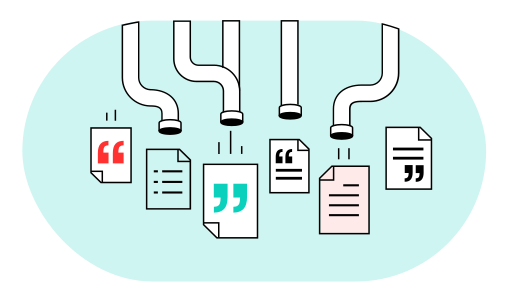
Turn One Broker Email Into A File.
- A one-page summary of the risk, each detail with its page
- What's missing, and what falls outside your guidelines when you include them
- A drafted reply to the broker
 Vlad Shvets, Partner @ Qvery
An underwriter's morning starts with a broker email, eleven attachments and the same details typed in again. At Qvery, we help insurers put underwriters on the work that matters, with custom AI agents that prepare every broker submission. Each detail keeps the page it came from. Your guidelines are yours, so the agent checks the submission against them. Quoting or declining stays with your underwriter.
Submission Intake Agent.
Broker files prepared before underwriting.
Submissions In Your Usual Inbox
Broker emails land in your shared submissions inbox with applications, loss histories and lists of property values attached. The agent reads each new one as it arrives.
It reads documents, scans, photos and Word files in any broker's layout. Brokers send nothing differently.


The Details, With Their Pages
The agent sorts the attachments and pulls what an underwriter needs: the business, its locations, values, loss history and dates. Each detail keeps the page it came from.
Your underwriter checks any value against its page in a click. A page the agent couldn't read is listed by name.
Checked Against Your Guidelines
The agent checks the submission against your underwriting guidelines. It flags what falls outside them, what's missing and where two documents disagree.
Without written guidelines, it still sorts the file and lists what's missing. We help you write your guidelines down when we build the agent.
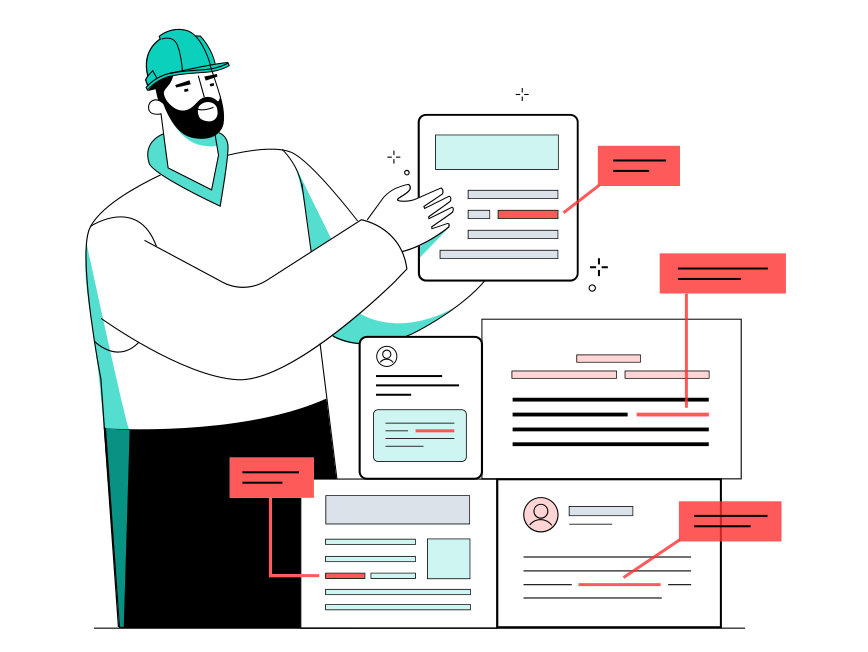

A Summary And A Reply To The Broker
The underwriter starts from a one-page summary and a drafted reply asking the broker for what's missing. They edit the reply and send it.
Whether to quote, the price and the terms stay with your underwriter. The agent sends nothing to brokers on its own.
What Preparing Submissions Costs You.
Put in your own team's numbers. The result updates as you type.
Your Numbers
- Saved a year
- $82,500
- Today
- $174,600
- With the agent
- $92,100
- Pays back in
- 2.9 months
- Three-year return
- 1,138%
- Deploys for about
- $20,000
Saved a year $82,500
Read The FAQs.
What does Qvery do for insurers?
At Qvery, we help insurers put underwriters on the work that matters, with custom AI agents that prepare submissions and check policies. We build them around your shared inbox, your underwriting guidelines and the way your team already works. Today an underwriter's morning starts with a broker email, eleven attachments and the same details typed in again. The submission agent takes that preparation over. Your underwriter starts from a file instead of a pile.
Does it work on real broker emails?
Yes, when it is built around your own submissions and guidelines. Broker emails land in your shared submissions inbox with applications, loss histories and lists of property values attached. The agent reads each new one as it arrives, so the file is ready when your underwriter sits down. Renewals work too: the sample we show is a metal fabricator's renewal. Brokers send submissions as they always do, and your team changes nothing about how they arrive.
How would we spot a wrong detail?
Every value in the summary points to its page, so your underwriter sees the evidence, not just the answer. Checking a value takes a click, not a search through the attachments. The summary covers the business, its locations, values, loss history and dates. A page the agent could not read is listed by name, never guessed at. Where two documents disagree, the agent flags the difference and your underwriter opens both pages.
Does it decide whether we quote?
No. Whether to quote, the price and the terms stay with your underwriters. The agent prepares the file and checks it against your underwriting guidelines. It flags what falls outside them, what is missing and where documents disagree. A disagreement is a difference to look at, never an accusation. The agent never prices or binds anything, and your underwriter makes every call on the risk. Quoting is a judgment about the risk, so the evidence sits in front of the person who decides.
What if we have no written guidelines?
The agent still sorts the attachments, pulls the risk details with their pages and lists what is missing. The list of what is missing is the same either way. It has no written rules to measure the risk against, so it says what it could not check. How the risk fits your appetite appears in the summary once guidelines are included. We help you write your guidelines down when we build the agent. After that, every new submission is compared with them.
Can it handle messy attachments?
Yes. It reads documents, scans, photos and Word files, in whatever layout a broker uses. Loss histories in varying formats from different brokers are the normal case. The agent sorts the attachments first, so the application, loss history and property values are each read as what they are. Eleven attachments in one email are sorted the same way as two. Whatever the layout, the details end up in the same one-page summary. A photo of a document is read like any other page, or listed as unread. In your build, we test it on your real broker emails first.
How much does it cost to build?
An agent for this job costs about $20,000 to build. Running it costs about $400 a month. The calculator above shows what that means against your underwriters' time. Put in your own team's numbers and the result updates as you type. That time goes on typing details in again and checking them against your appetite. It also goes on writing back to the broker for what is missing. The agent prepares each of those three steps.
How is submission data kept safe?
The agent reads only the inbox and folders you connect it to. You decide where it runs and how long anything is kept. It sends nothing to brokers on its own. Your underwriter reads the drafted reply, edits it and sends it. Your guidelines are yours: the agent checks each submission against them and nothing else. In the free try, the files you include are the only ones the agent sees.
How soon can it run on our submissions?
We deliver a working agent in about two weeks, set up with your guidelines. The first summaries already check the risk against them. It starts where broker emails already land, in your shared inbox. At first it runs on real submissions beside your underwriters, so your team can compare its summaries with their own work. Your underwriters see how each file arrives prepared before they rely on it. After that, each new submission arrives as a summary with its reply drafted.
What do I get from the free try?
A one-page summary of your submission, with a source for each detail. It lists what is missing, and how the risk fits your guidelines when you include them. A drafted reply to the broker comes with it. The result arrives from vlad@qvery.ai within 15 minutes, and your files are deleted as soon as it is sent. Your underwriter can use it as the start of a real file.