Catch Carrier Paperwork Problems Before The First Load
Carrier Packet Review Agent lines up every name, number and date across a new carrier's packet. Your team gets the differences, each with its page, before anyone books a load.
Check One New Carrier's Packet.
- Names, numbers and bank details lined up across every form
- Insurance dates and limits checked against your rules
- Questions for the carrier, each with its page
 Vlad Shvets, Partner @ Qvery
A carrier packet can look complete and still disagree with itself. The name on the bank form doesn't match the authority letter, or the insurance belongs to a slightly different company. At Qvery, we help freight brokers spend less time on paperwork, with custom AI agents that check every form in the packet. Your team gets a comparison with the page behind each line. Whether to give that carrier a load stays your decision.
Carrier Packet Review Agent.
Every form checked against every other form.
The Packet, As It Arrives
A new carrier's packet lands in your onboarding inbox: the tax form, its authority letter, the insurance certificate and the bank form. The agent reads every page, scans and phone photos included.
A page it cannot read is listed with its number. Your team asks for a clean copy, and the agent never fills in a guess.
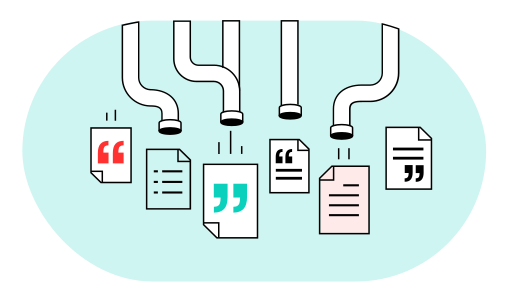

The Same Details, Lined Up
The agent lines up the company name, carrier numbers, address and bank account holder across every form. Each value keeps the page it came from.
It also checks the insurance: the insured name, the policy dates and the limits your rules require. Your team then confirms with the insurer that the coverage is in force.
What Disagrees, And What's Missing
Anything that differs between forms is flagged with both pages side by side. Anything your packet rules ask for and the packet lacks is listed too.
Each difference becomes a question your team can send the carrier. It names the two pages so the carrier can fix the right form.
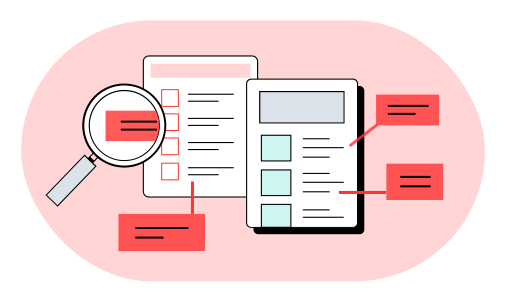

A Short List Before The First Load
Your team sees where the packet agrees and a short list of questions for the carrier. The comparison is ready before the load is booked.
Your own identity and authority checks run as they do today. Whether to give that carrier a load stays your team's decision.
What Packet Checks Cost You.
Put in your own team's numbers. The result updates as you type.
Your Numbers
- Saved a year
- $14,316
- Today
- $29,880
- With the agent
- $15,564
- Pays back in
- 21 months
- Three-year return
- 72%
- Deploys for about
- $25,000
Saved a year $14,316
Read The FAQs.
What does Qvery do for freight brokers?
At Qvery, we help freight brokers spend less time on paperwork, with custom AI agents that check every form in the packet. We build them around your own onboarding inbox, packet rules and systems. A packet can look complete and still disagree with itself. The name on the bank form may not match the authority letter, or the insurance may belong to a slightly different company. That is how a load goes to the wrong company. It is also how a payment reaches the wrong account. The agent lines the details up before anyone books a load.
Does it verify a carrier's identity?
No. It checks that the packet agrees with itself. It lines up the company name, carrier numbers, address, insurance dates and bank account holder across every document. For example, the company name on the tax form is set against what every other document calls the carrier. Each value keeps the page it came from. It reads the tax form, the authority letter, the insurance certificate and the bank paperwork. Verifying identity and authority stays in the steps your team already runs, as it does today. The agent never says a carrier is verified. The comparison is a table, so a difference stands out at a glance.
Does it help vet carriers before booking?
Yes. A new carrier's packet lands in your onboarding inbox, and the agent reads every page. It lists what disagrees, plus anything your rules ask for that is absent. Every packet gets the same check, with a record of what was compared and what was found. Your team has it in hand before the rate confirmation goes out. The result is a clean pass or a short list of questions. Your onboarding inbox stays the place packets arrive.
What does it check on the insurance?
It checks the insured name, the policy dates and the limits. The name is matched to the carrier, the dates to today and the limits to what your requirements say. A policy that belongs to a slightly different company shows up as a difference. Your team then confirms with the insurer that the coverage is in force. The agent does not confirm coverage itself. The certificate's insured party is also set against the company on the other documents. Policy dates must cover today, so an expired certificate is listed as a difference.
Does it flag carriers as fraudulent?
No. A mismatch is a question for the carrier, never an accusation, and the agent labels no one as suspicious. A bank account holder who differs from the authority letter becomes a plain question. Each question names the two pages, so the carrier can fix the right form. Your team reads the differences, makes the judgment and decides whether to give that carrier a load. A clean pass needs no question at all.
What if a page is a blurry photo?
The agent reads scans and phone photos. A page it cannot read is listed as unreadable, with its number. Your team asks the carrier for a clean copy. The agent never fills in a number it can't read. Because each value is tied to its source, a clean copy of the one in question settles it. The unreadable pages are listed beside the other differences.
How much does it cost to build?
It costs about $25,000 to build and $550 a month to run. The calculator above puts those figures against your onboarding team's time. You enter your own team's numbers, and the result updates as you type. It shows what packet checks cost you today, so you can set the two figures against each other. Packet checks are the work it measures: each new carrier's packet, read and compared by hand today.
How are bank and tax details kept safe?
The agent reads only the packets you connect it to. It works from the documents inside each packet, such as the tax form and the bank details. You decide where it runs and how long anything is kept. Nothing reaches the carrier on its own. Your team sends each question, and the carrier answers it. The agent writes the questions, and your team decides which ones to send.
How soon can it check our new carriers?
We deliver a working agent in about two weeks, set up with your packet rules. Those are the insurance limits you require and anything else you ask a packet to contain. It runs beside your onboarding team first. They see its comparison next to their usual steps. Each packet then ends in a clean pass or a list of questions, before the first load goes out. Your own packet rules are what the agent checks against, so they come first in setup.
What does the free try send back?
A table that puts the carrier's documents next to each other. It shows where they agree and where they don't, with the page for each, plus questions for the carrier. You send one carrier's onboarding packet in full, and your insurance requirements if you have them. The result comes from vlad@qvery.ai within 15 minutes. We delete your files as soon as it is sent. The sample is a brokerage's packet for a new regional carrier: authority, insurance and bank forms.