Compare Subcontractor Bids Like For Like
Bid Leveling Agent lines up the bids for a trade against your scope list, or against one another. Each amount, inclusion and exclusion keeps the page it came from.
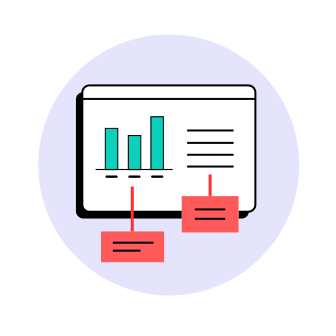
Level One Trade's Bids.
- Every bid's amount, inclusions and exclusions, side by side
- The items a bid leaves unmentioned or unpriced
- Questions for each bidder, ready to send
 Vlad Shvets, Partner @ Qvery
The lowest bid is only the lowest if it covers the same scope. Finding out means an estimator retyping five proposals into one sheet, the night before bids are due. At Qvery, we help contractors spend fewer evenings retyping bids, with custom AI agents that line up every proposal. Where a bid prices an item separately, the sheet shows it. Where it doesn't, the item says unpriced, and your estimator makes the call.
Bid Leveling Agent.
Every bid side by side, with its pages.
Bids For A Trade, In Any Format
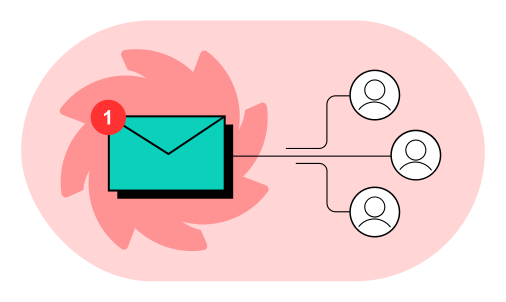
Subcontractor bids for a trade arrive by email, each in its own format: PDFs, spreadsheets and scanned letters. The agent reads each one as it comes in.
It fills one comparison sheet from all of them. Every cell points to the page it came from.

Lined Up Against Your Scope List
The agent lines every bid up against your scope list for that trade, item by item. An item that no bid mentions shows up before you award.
Without a scope list, it compares the bids with each other. It can then only find what at least one bid mentions.
Included, Excluded Or Not Mentioned
For each bid, the agent shows the amount and every item as included, excluded or not mentioned, with the page. Optional items and allowances are shown apart from the base price.
Where a bid prices an excluded item, that amount is shown. Where it doesn't, the item reads unpriced, never a guess.
Your Estimator Compares And Picks
Your estimator gets the sheet and a short list of questions for each subcontractor. The questions never mention another bidder's price or name.
The agent never ranks bidders or recommends an award. Choosing the subcontractor stays with your estimator and project team.
What Leveling Bids Costs You.
Put in your own team's numbers. The result updates as you type.
Your Numbers
- Saved a year
- $27,180
- Today
- $67,560
- With the agent
- $40,380
- Pays back in
- 11 months
- Three-year return
- 226%
- Deploys for about
- $25,000
Saved a year $27,180
Read The FAQs.
What does Qvery do for general contractors?
At Qvery, we help general contractors keep estimators on estimating, with custom AI agents that compare bids and check submittals. We build them around your projects, your scope lists and your comparison sheet. This agent reads each subcontractor's bid and fills one sheet with amounts, inclusions, exclusions and gaps. Every cell keeps its page. Your estimator no longer retypes five proposals into one sheet the night before bids are due. The lowest bid counts only if the scope is the same, and the sheet is how you see that.
Is there a better way than a spreadsheet?
Yes: let the agent read the proposals and fill the sheet. You get the same comparison your team builds today. Bids arrive by email in their own formats: PDFs, spreadsheets and scanned letters. The agent reads each one as it comes in, scans included. Your estimator starts from a filled sheet and spends the time comparing. Nothing about how subcontractors send bids has to change. A subcontractor that prices an item separately shows it as its own entry.
What if every bidder missed the same item?
With your scope list, the agent lines every bid up against it, one entry at a time. A scope item that no bidder touches shows as not mentioned in every column, so it is caught before award. Without a scope list, the agent compares the bids with each other. It can then only find what at least one bid mentions. It never claims to find work that every bidder left out. Your estimator asks for the missing price while there is still time before award.
Does it add back the cost of excluded items?
Only where a bid states an amount for that item. Then that amount is shown, with the page it came from. Otherwise the item reads unpriced, never a guess. Your estimator adds their own number for it, or asks the subcontractor to price what it left out. Optional items and allowances are shown apart from the base price, so they do not blur into the total. The sheet shows what the base price covers and what sits outside it.
Does it pick the winning bid?
No. The agent never ranks bidders, names a winner or recommends an award. It shows each amount and every item as included, excluded or not mentioned, with the page. Your estimator gets the sheet and a short list of questions for each subcontractor. Choosing the subcontractor stays with your estimator and your project team.
Are the bids kept confidential?
Yes. The result goes only to you. The questions the agent drafts for each subcontractor never reveal another bidder's price or name. Each subcontractor sees only questions about its own bid, and your estimator decides which ones to send. The comparison between bids stays with your team. Nobody learns what a competitor bid. Your estimator can send the questions as they are or edit them first. The agent drafts the questions from the gaps it found, one set per bidder.
How much does it cost to build?
Building an agent for this job costs about $25,000. Running it costs about $550 a month. The calculator on this page lets you put in your own team's numbers. It shows what that means against your estimators' time. The result updates as you type, so you see figures for your own team and not an average. Then you can weigh the build cost against the evenings spent retyping bids today. Both figures cover reading the bids, filling the sheet and drafting the questions.
How is our bid data kept safe?
The agent reads only the bids you send it. A proposal you leave out is never opened. You decide where it runs and how long anything is kept. It contacts no subcontractor on its own, because the questions are drafts. Your bidders see nothing from the agent. Your estimator reads every question before it goes out. It uses the bids only to compare them with each other and with your scope list. Everything it produces is a sheet or a draft.
How soon can it level our bids?
We deliver a working agent in about two weeks, set up with your scope lists and your comparison sheet. It runs on a past bid package beside your estimators first. They compare its sheet with the one they built by hand. That shows you how it reads your subcontractors' proposals before anyone relies on it. After that, your estimator starts each trade from a filled sheet, with the gaps already marked. Your scope lists are set up first, so the sheet lines up against your own trades.
What does the free try send back?
You send three to five bids for one trade, and your scope list if you have one. The sample page uses a contractor's ventilation bids from three subcontractors, with the trade scope. You get a comparison sheet: amounts, inclusions, exclusions and gaps, each with its page. The questions for each bidder are ready to send. It comes from vlad@qvery.ai within 15 minutes. We delete your files as soon as the result is sent.